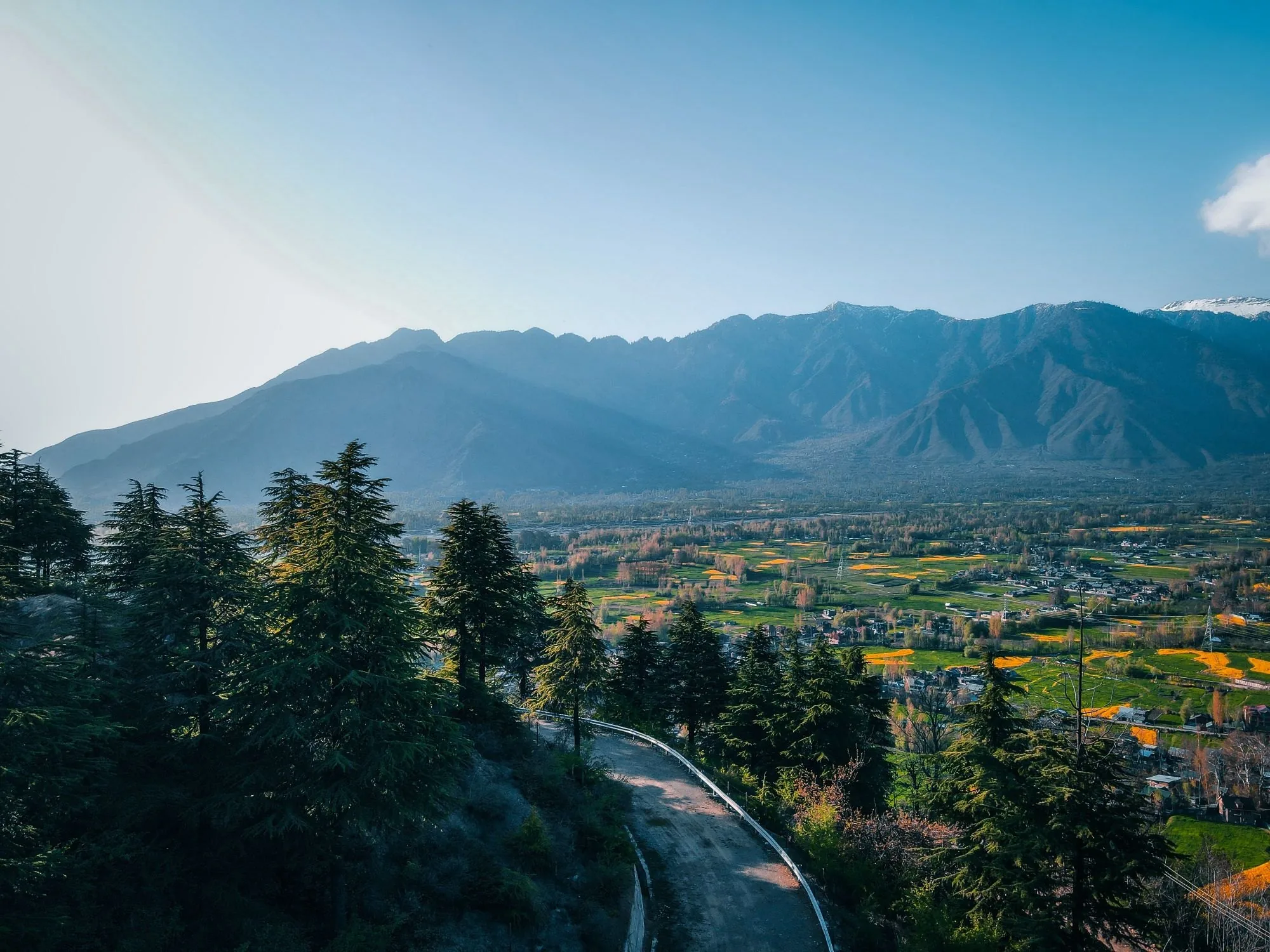
Eight systems, one climate. Each one shapes the next.
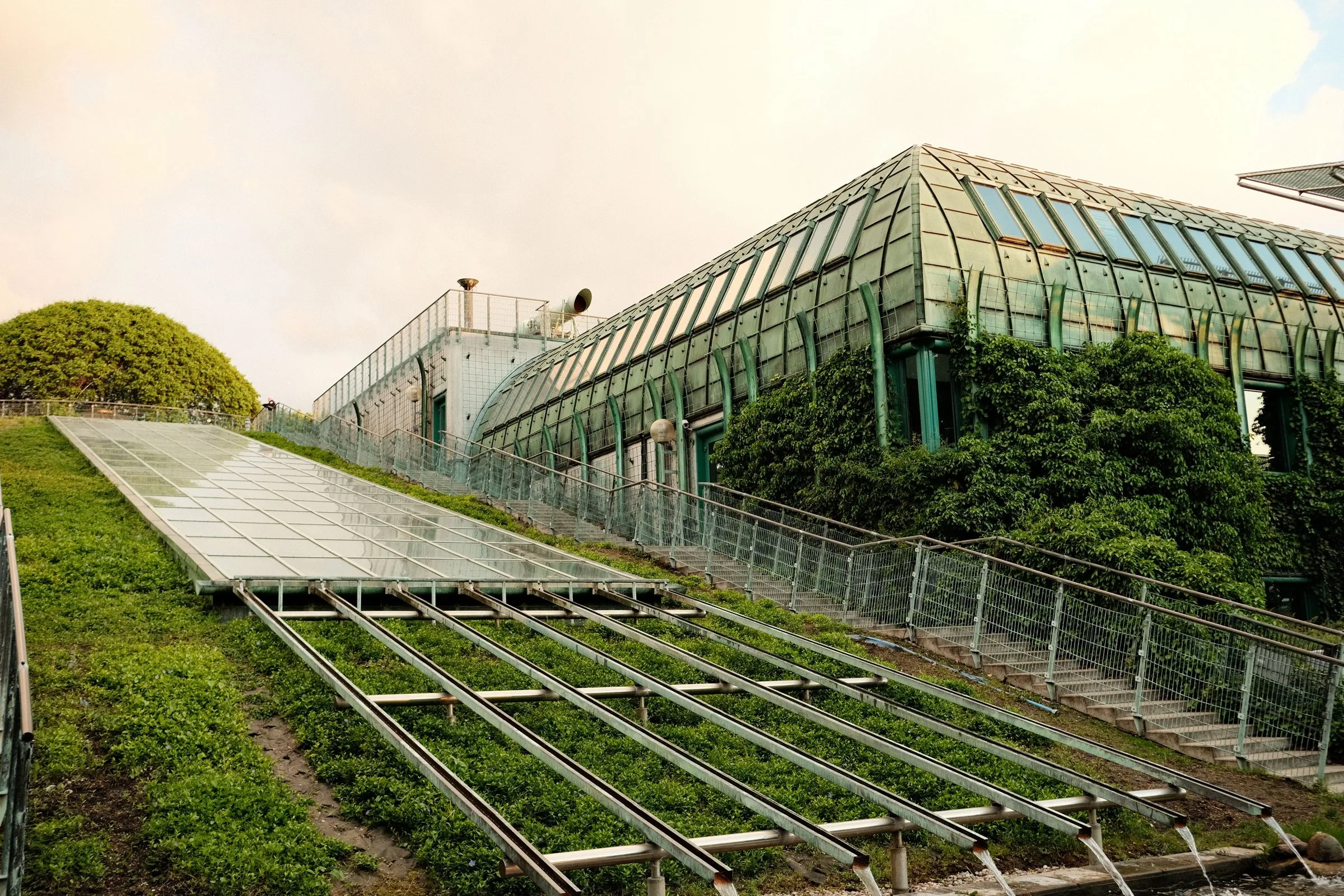
Energy
How power is generated, moved and stored, and how grids adapt as more of the economy runs on electricity.
Electricity, renewables, grids and storage.
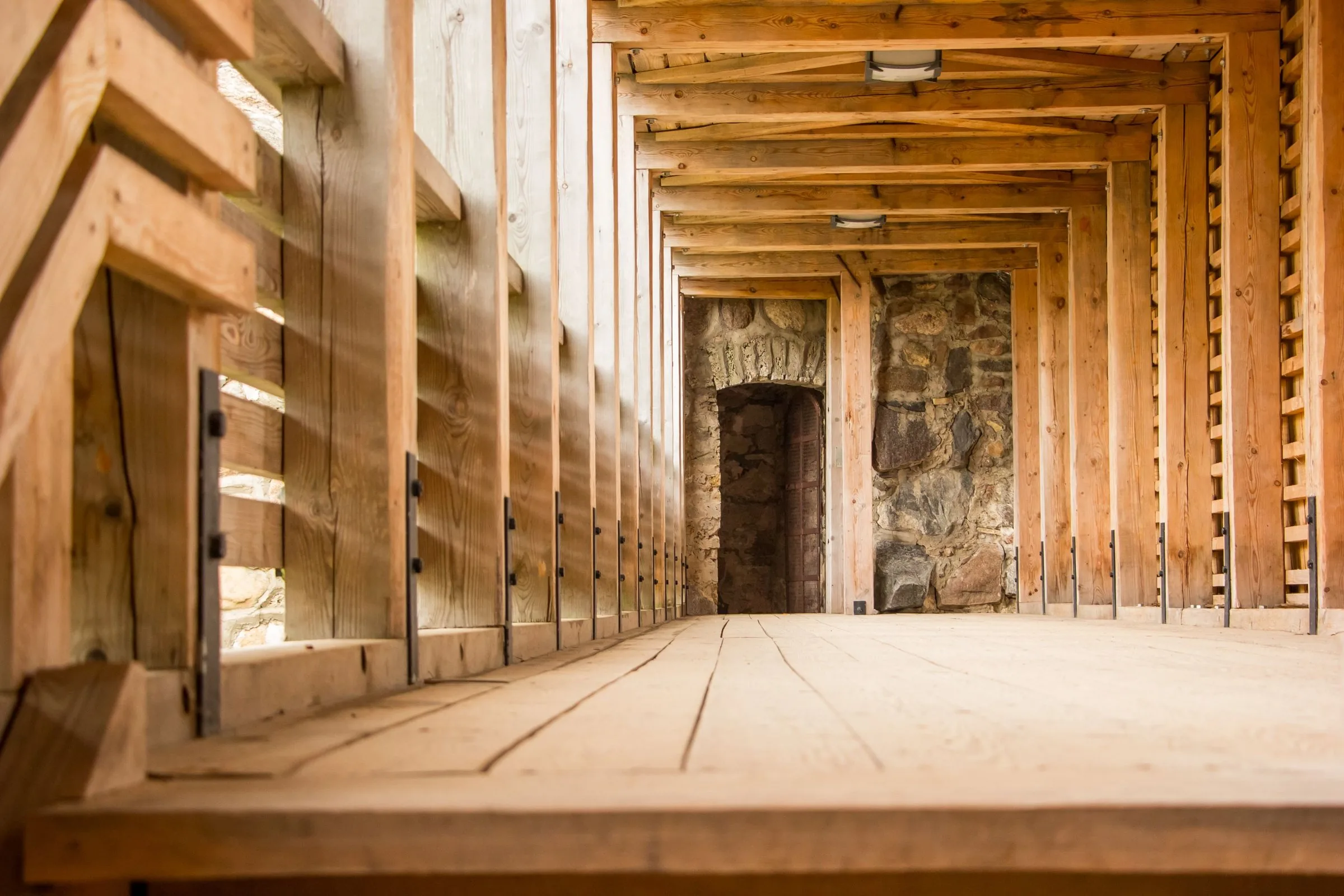
Buildings
The homes, offices and public buildings we heat, cool and build, and the materials they are made from.
Construction, heating, cooling and efficiency.
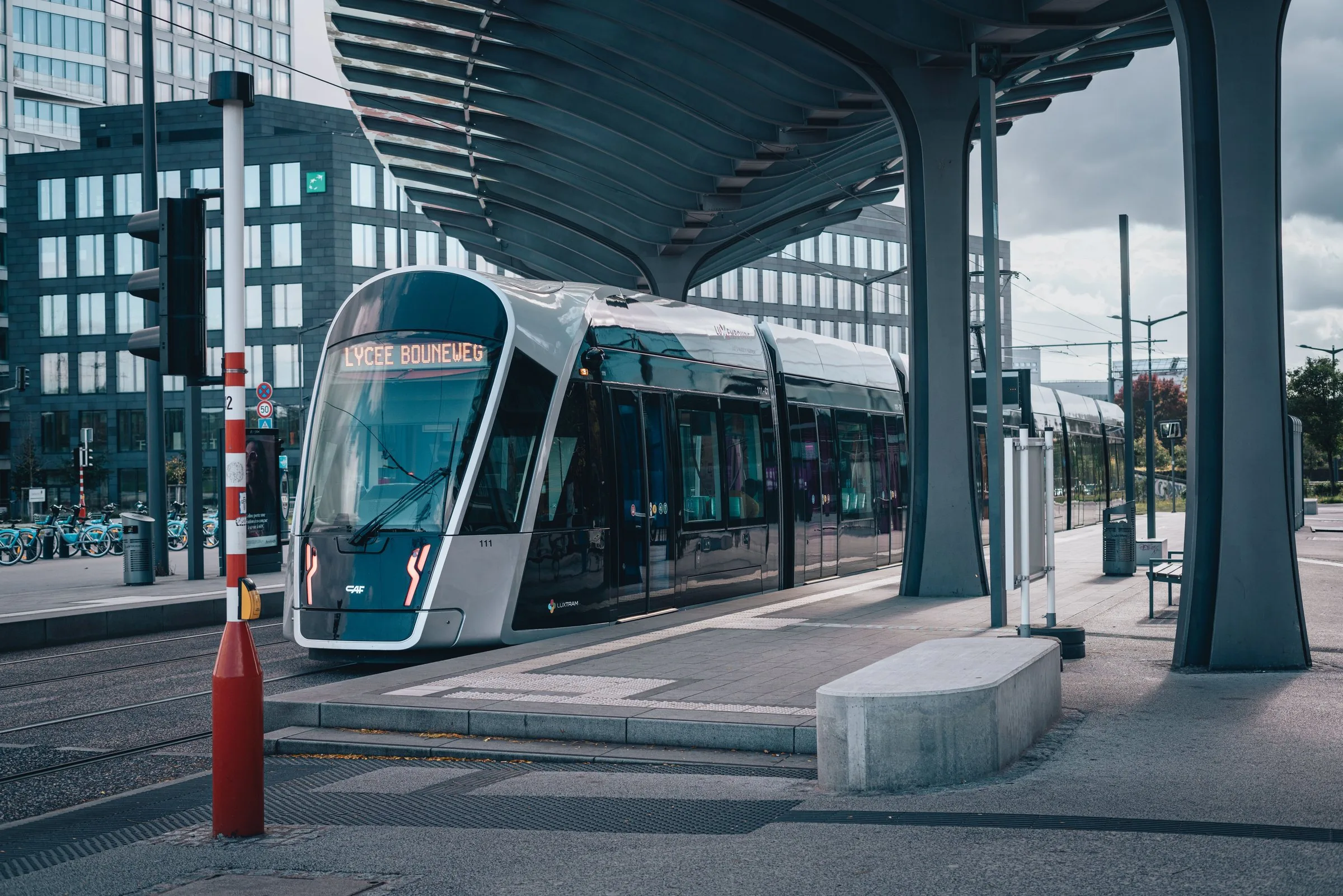
Transport
Moving people and goods by road, rail, sea and air, from vehicle technology to the way cities are planned.
Road, aviation, shipping and mobility.
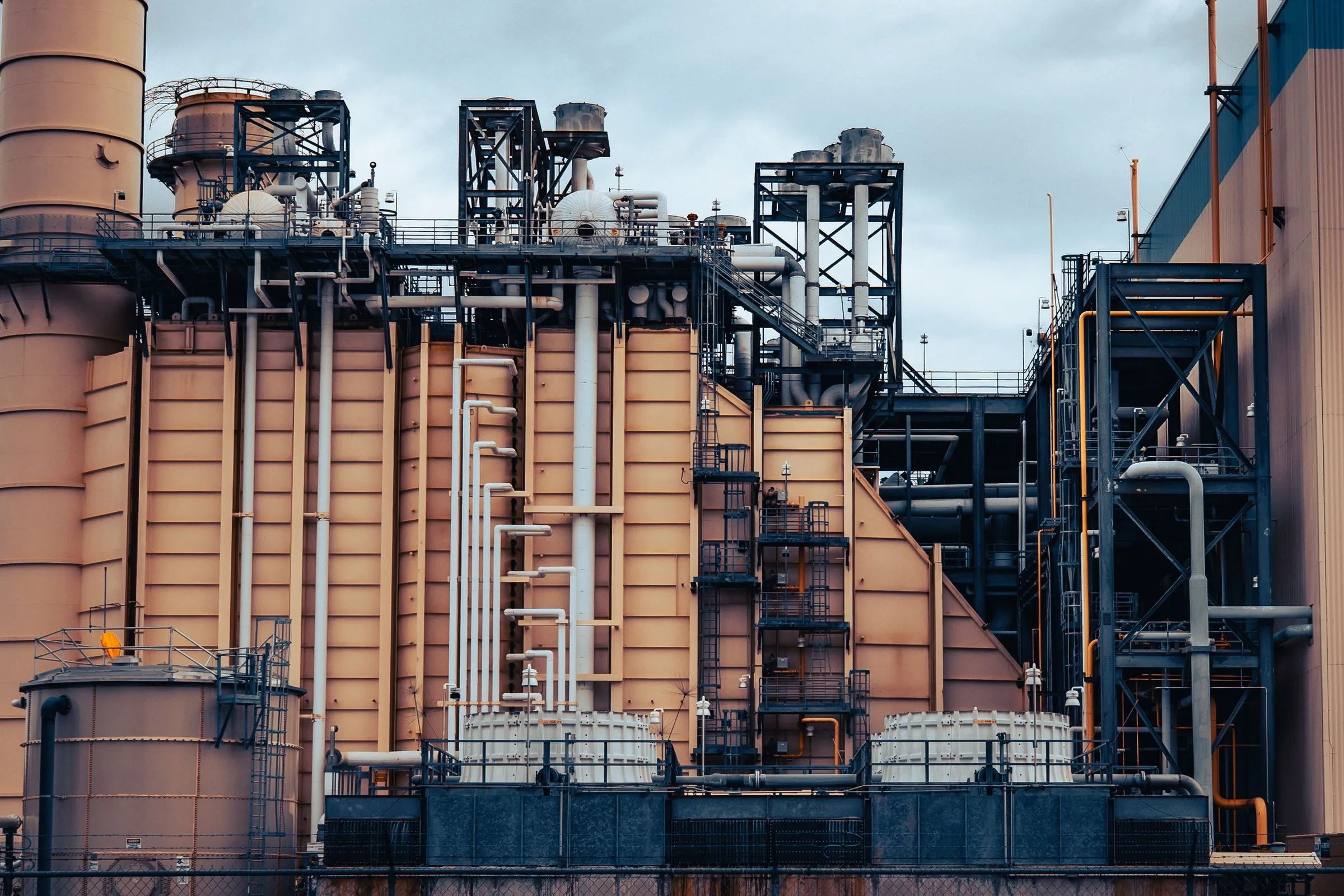
Industry
The high-heat processes and materials, such as steel, cement and chemicals, that underpin almost everything else.
Manufacturing, steel, cement and chemicals.
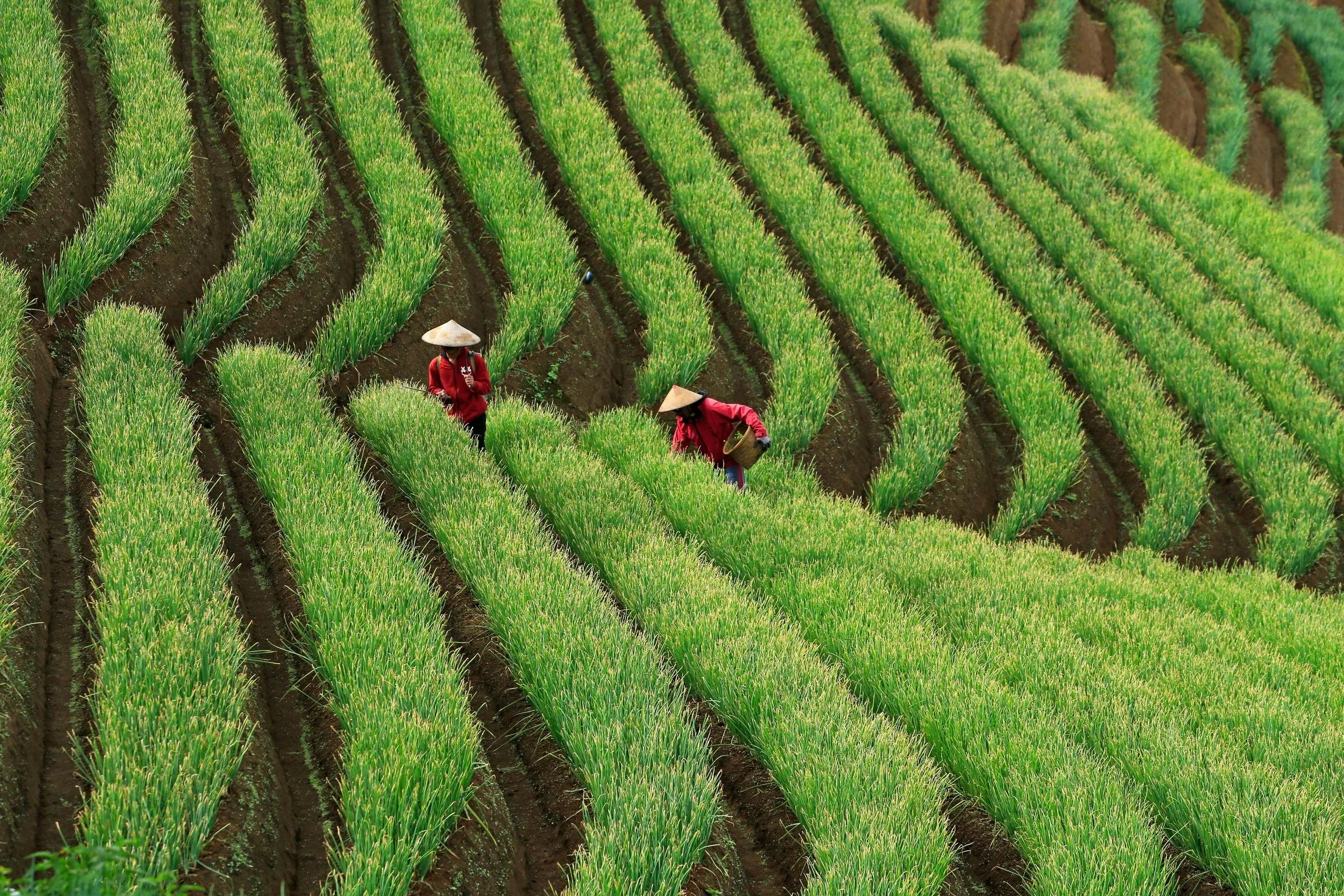
Food & Land
How food is grown, processed and distributed, and the choices that shape what land is used for.
Agriculture, food systems and land use.
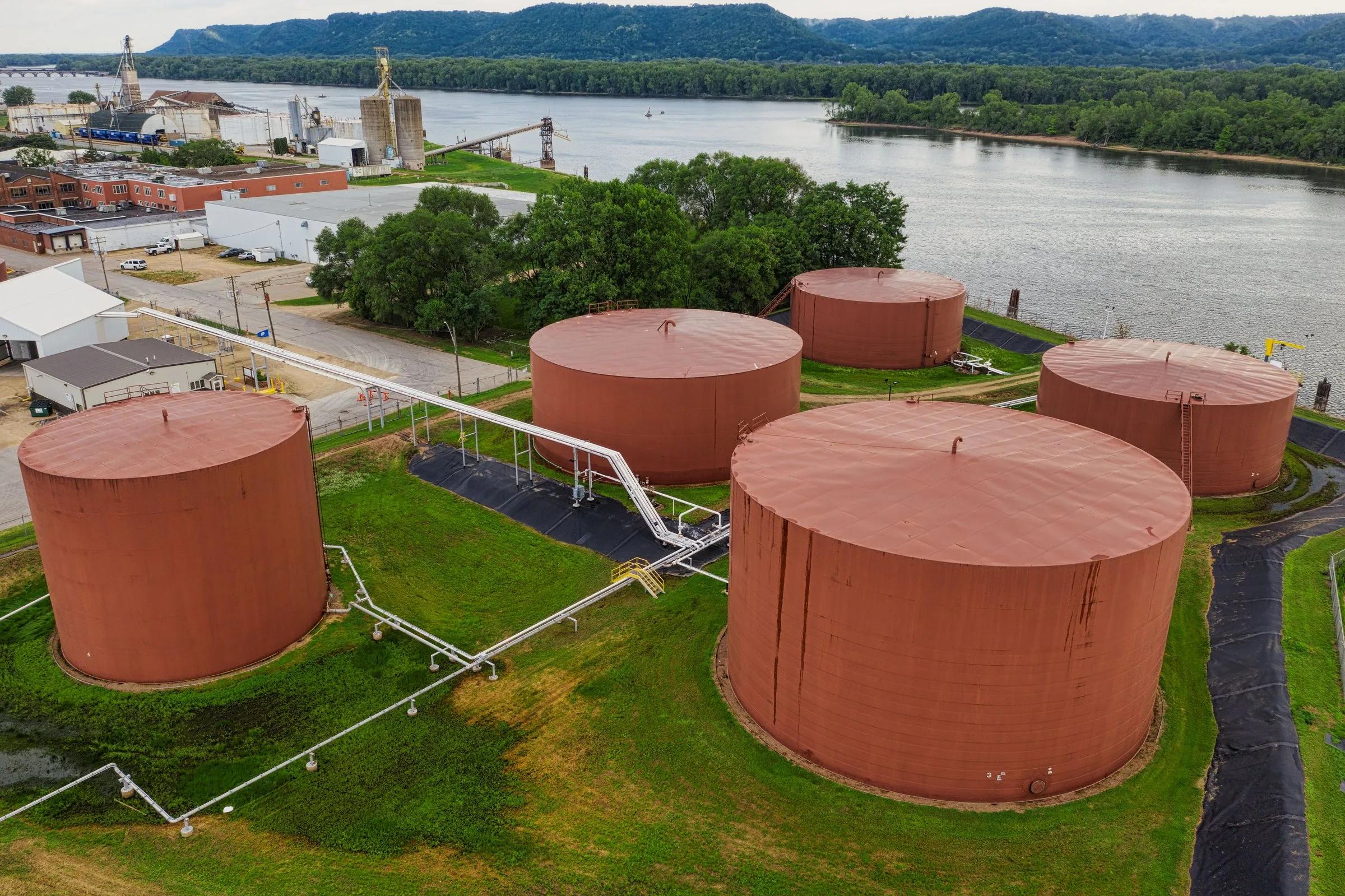
Water
Securing, treating and reusing water as rainfall patterns shift and demand from cities, farms and industry grows.
Water security, treatment and desalination.
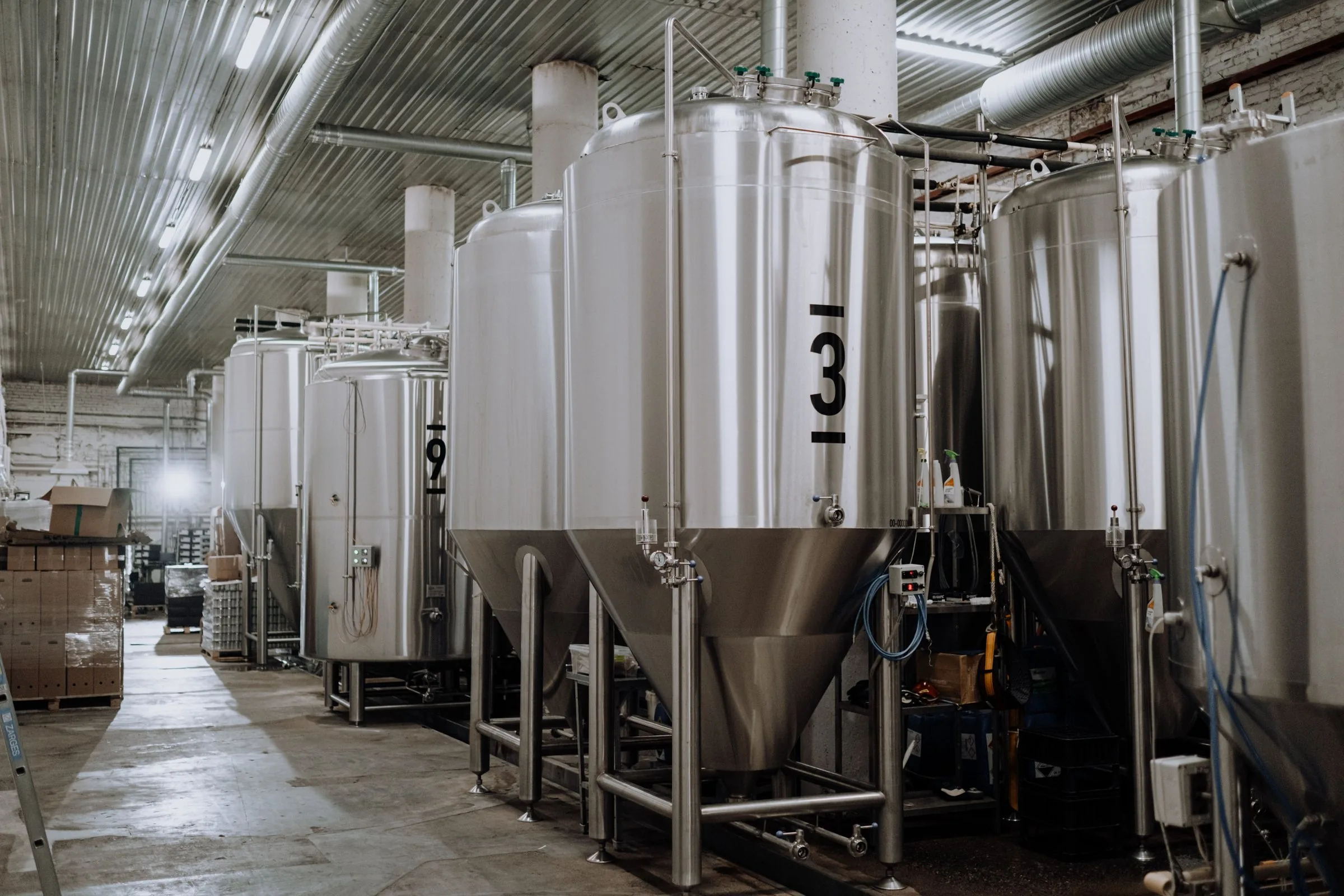
Carbon
Capturing carbon dioxide at the source or from the air, and the methods for storing it durably.
Carbon removal, capture and storage.

Nature
Forests, wetlands, oceans and soils: the living systems that store carbon, regulate climate and support life.
Ecosystems, forests and biodiversity.
Your questions, answered.
Quick answers about the platform and its content.
One of eight broad areas, such as energy, buildings or water, where climate change is felt and addressed. Solutions and projects are organised around them.
They cover the main sources of emissions and the main places adaptation happens, while staying few enough to hold in mind at once.
Only well-established mechanisms are included, described in words. No quantities are attached unless a source supports them.
Yes, constantly. That is the point of mapping them together: a change in one shifts what is possible in others.
From published research and practice. Every entry is reviewed by people who know the field and linked to the systems, solutions and projects it relates to.