Connected system
Carbon
Forests, soils and wetlands store carbon, and can release it when degraded.
Carbon removal, capture and storage
Ecosystems, forests and biodiversity

Overview
Forests, wetlands, oceans and soils: the living systems that store carbon, regulate climate and support life.
Challenges01
Forests, wetlands and other ecosystems are being lost or degraded.
Climate change puts stress on the very ecosystems that help regulate it.
The benefits of nature can be hard to measure and to value.
Opportunities02
Protecting intact ecosystems that store carbon and support biodiversity.
Restoring degraded land, wetlands and coasts.
Nature-based approaches that also reduce flood and heat risk.
Solutions
Bringing water back to drained peat and coastal land so these habitats can recover and hold carbon again.
Connections
Connected system
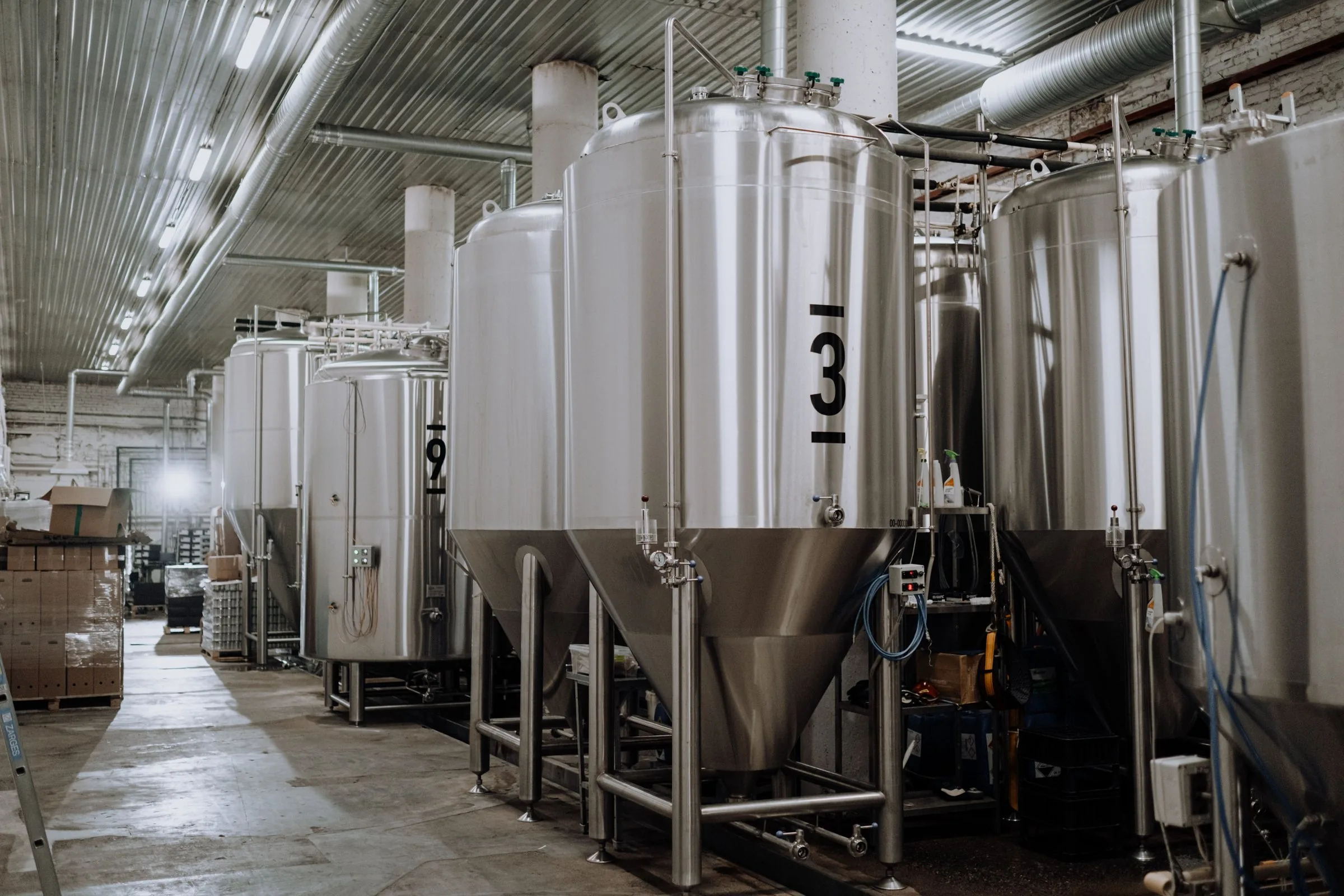
Forests, soils and wetlands store carbon, and can release it when degraded.
Carbon removal, capture and storage
Connected system
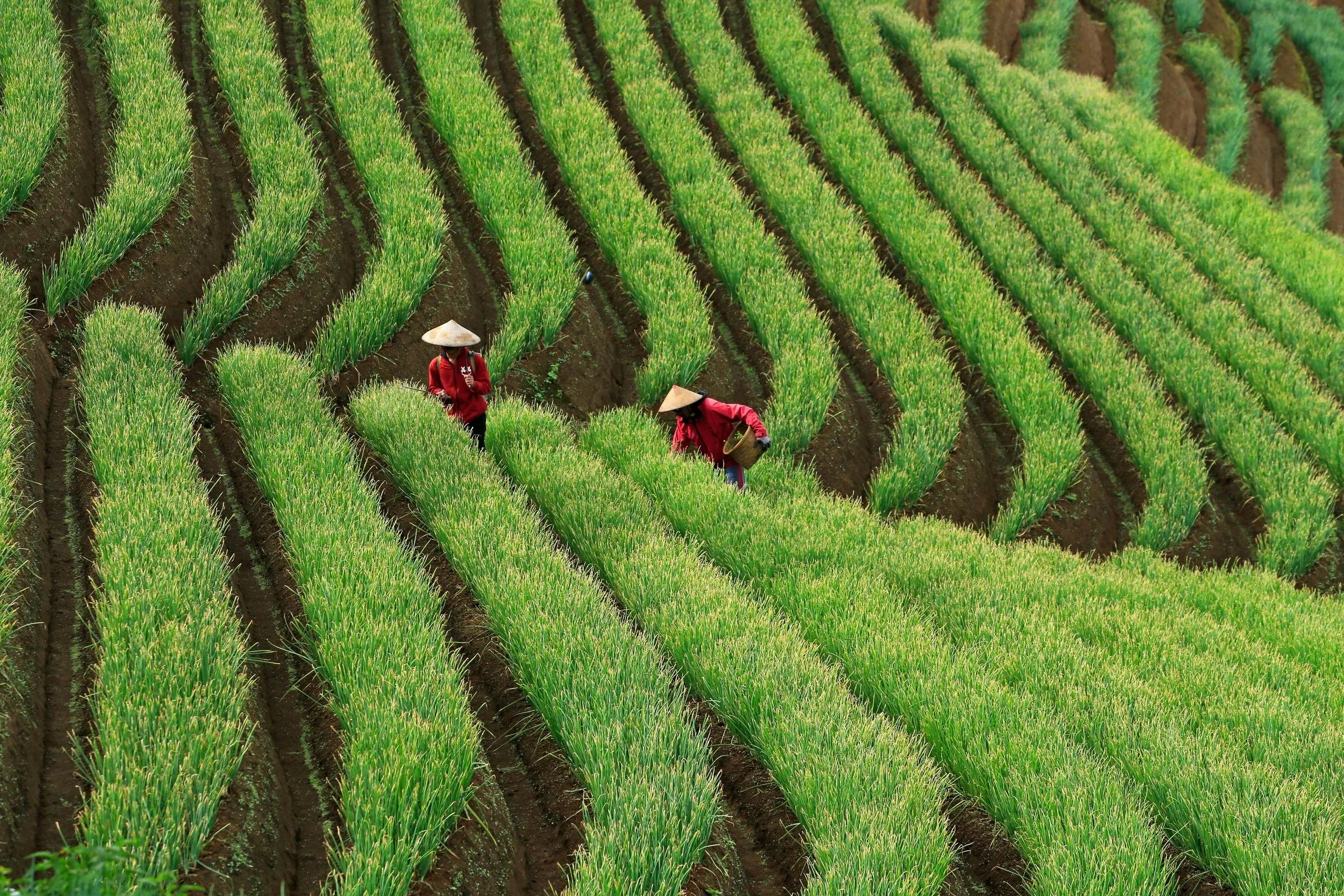
How land is farmed affects soils, forests and biodiversity.
Agriculture, food systems and land use
Quick answers about the platform and its content.
One of eight broad areas, such as energy, buildings or water, where climate change is felt and addressed. Solutions and projects are organised around them.
They cover the main sources of emissions and the main places adaptation happens, while staying few enough to hold in mind at once.
Only well-established mechanisms are included, described in words. No quantities are attached unless a source supports them.
Yes, constantly. That is the point of mapping them together: a change in one shifts what is possible in others.
From published research and practice. Every entry is reviewed by people who know the field and linked to the systems, solutions and projects it relates to.