Ideas moving into practice, described plainly with their limits.
01
Agrivoltaics
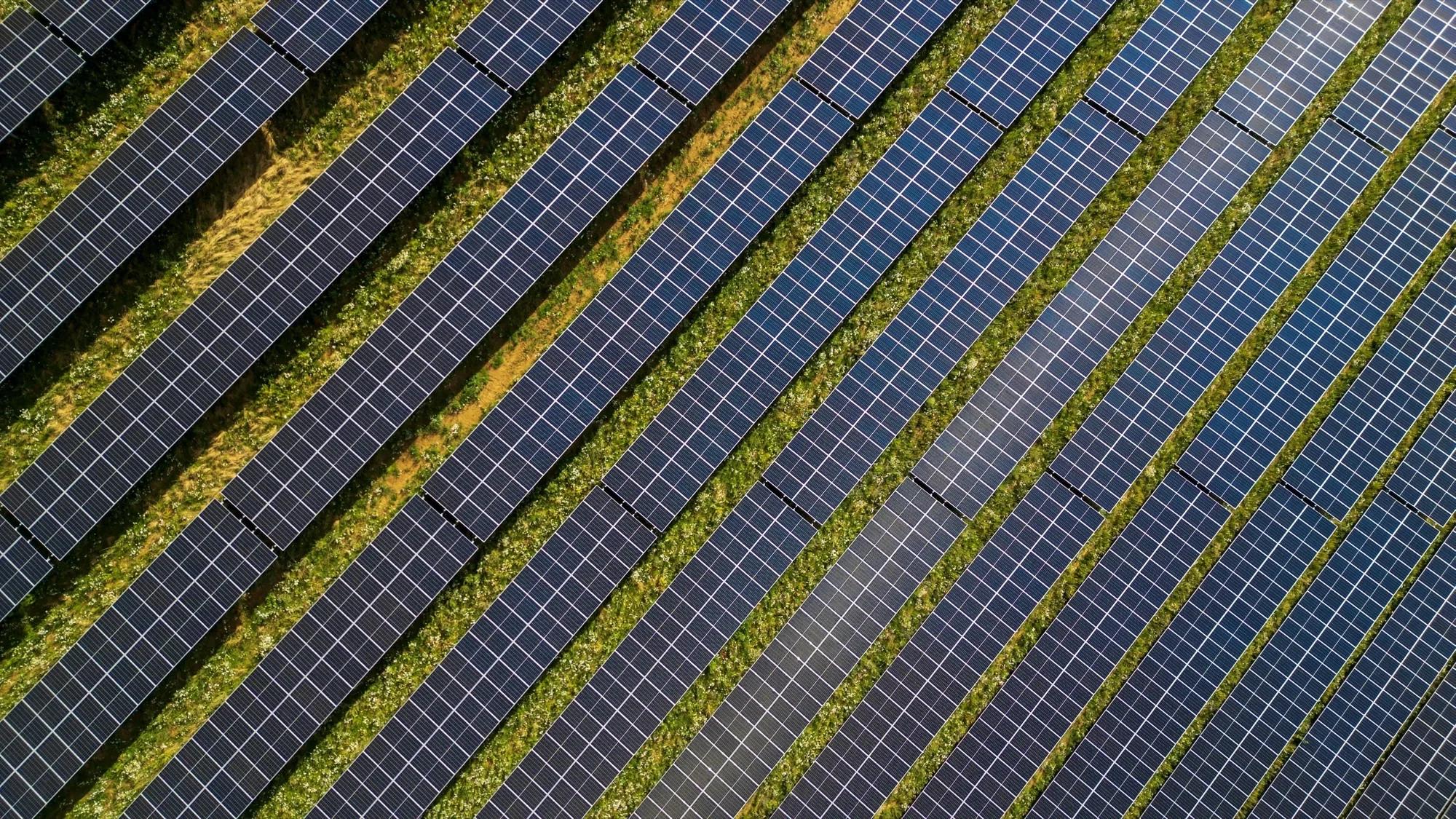
Sharing the same land between solar panels and crops or grazing, so one field can produce both food and electricity.
Solar farms and agriculture can end up competing for the same land.
02
Grid-scale battery storage
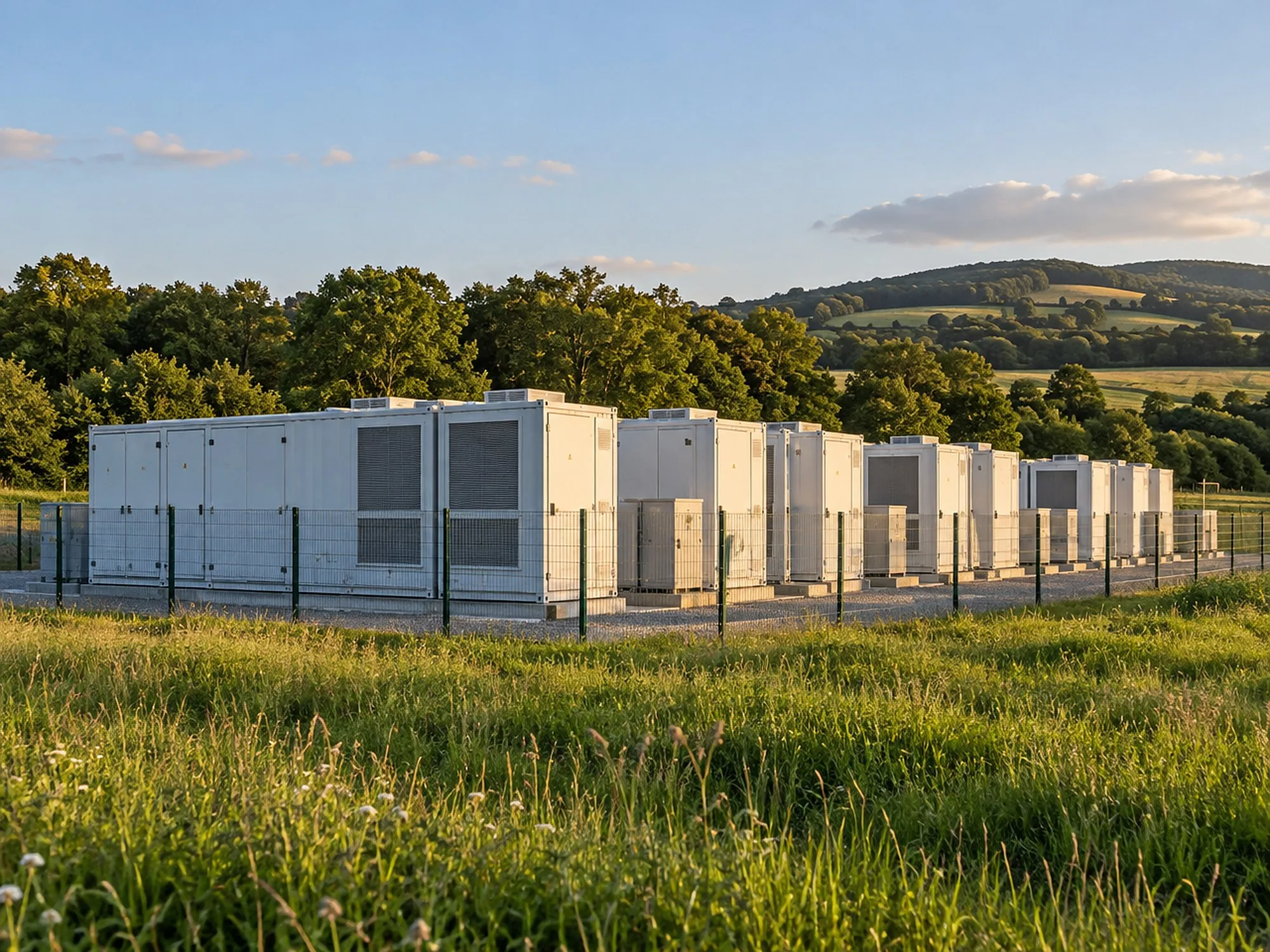
Storing electricity when it is plentiful and releasing it when the grid needs it.
Wind and solar output does not always line up with when electricity is needed.
03
Air-source heat pumps
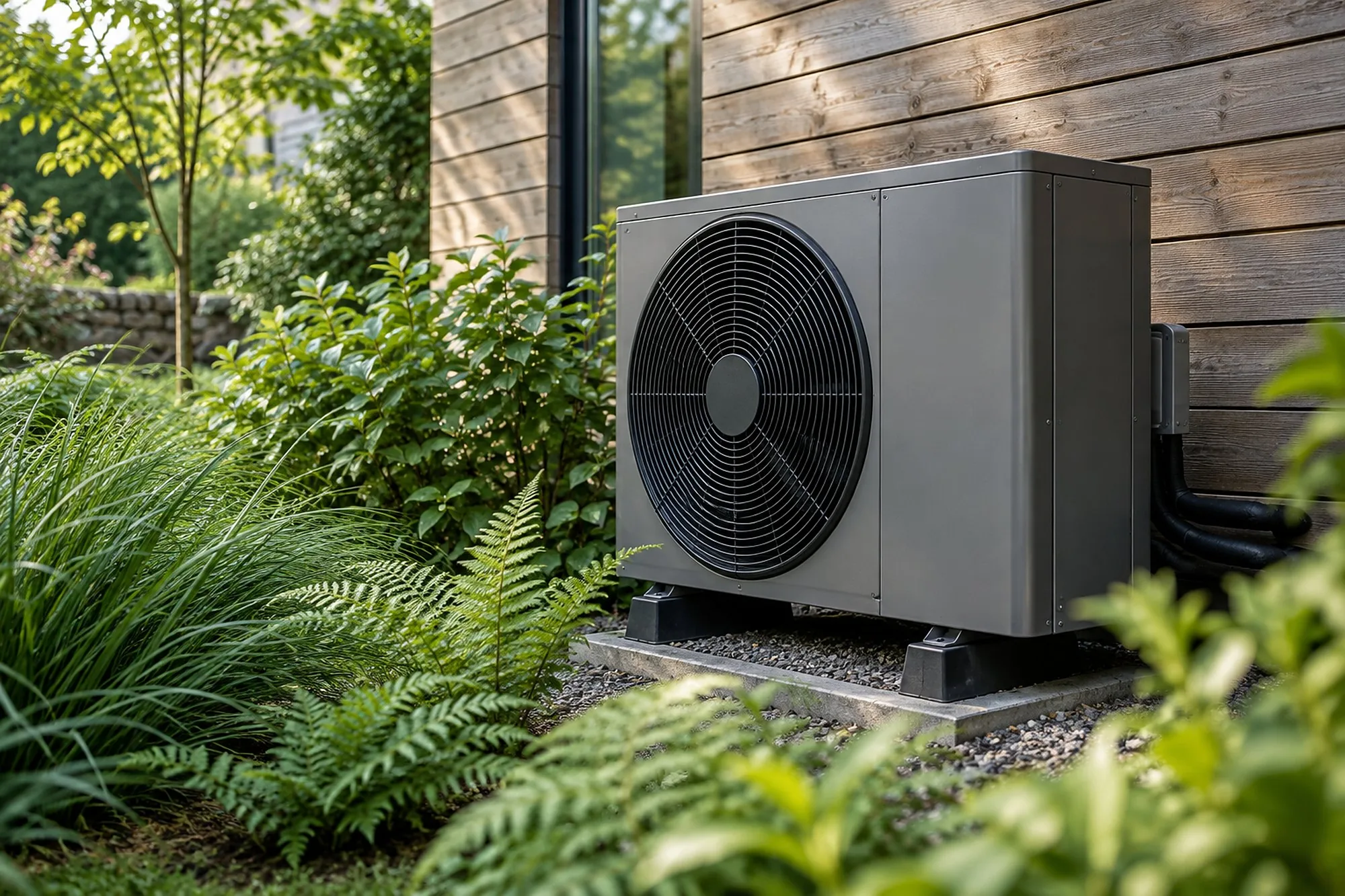
Moving heat from outside air into a building using electricity, instead of burning fuel.
Heating buildings by burning fuel is a major source of emissions.
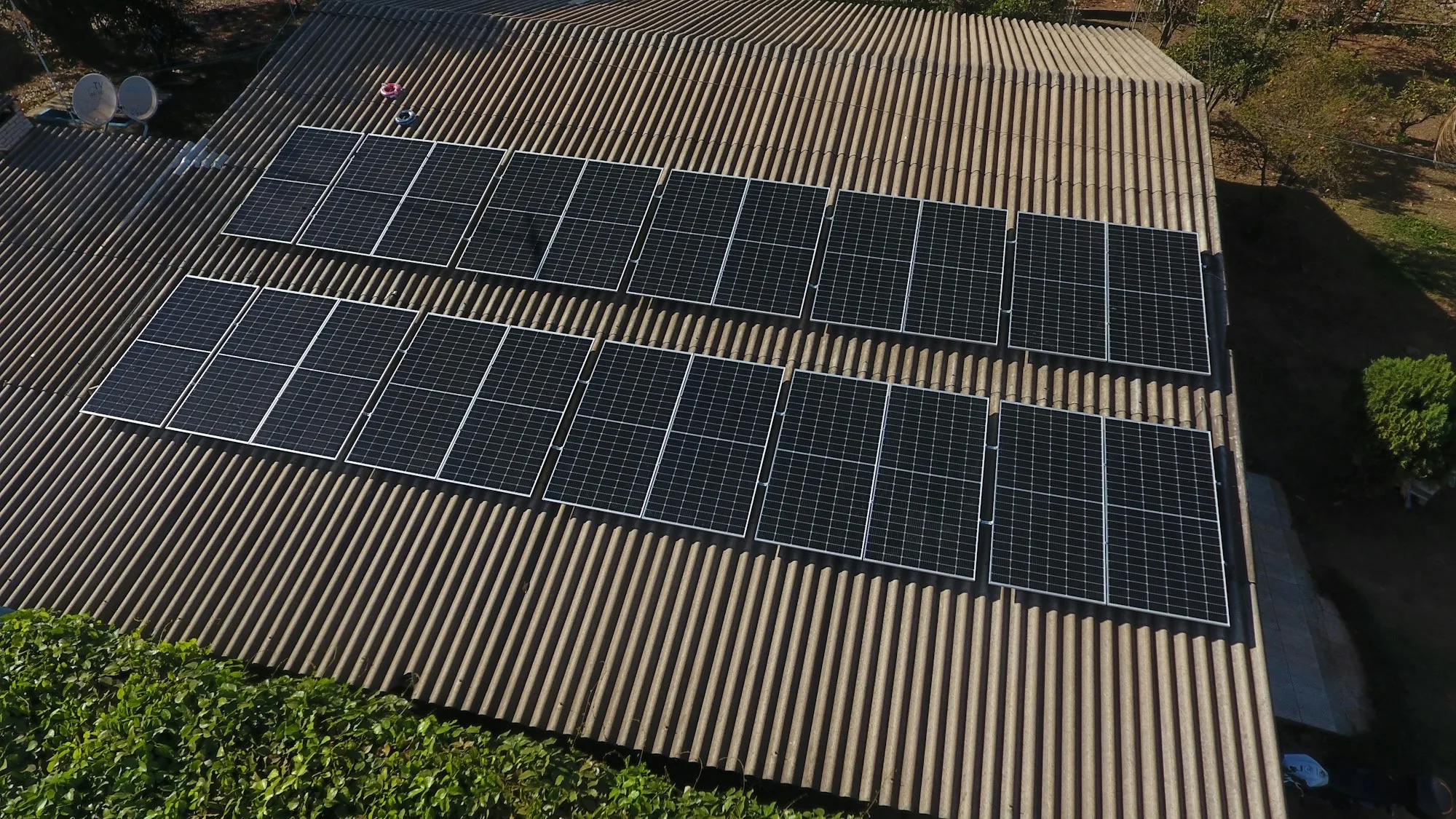
04
Rooftop solar
Panels on homes, schools and warehouses that generate electricity where it is used.
Large solar farms need land and grid connections; much of the roof space in towns and cities sits unused.
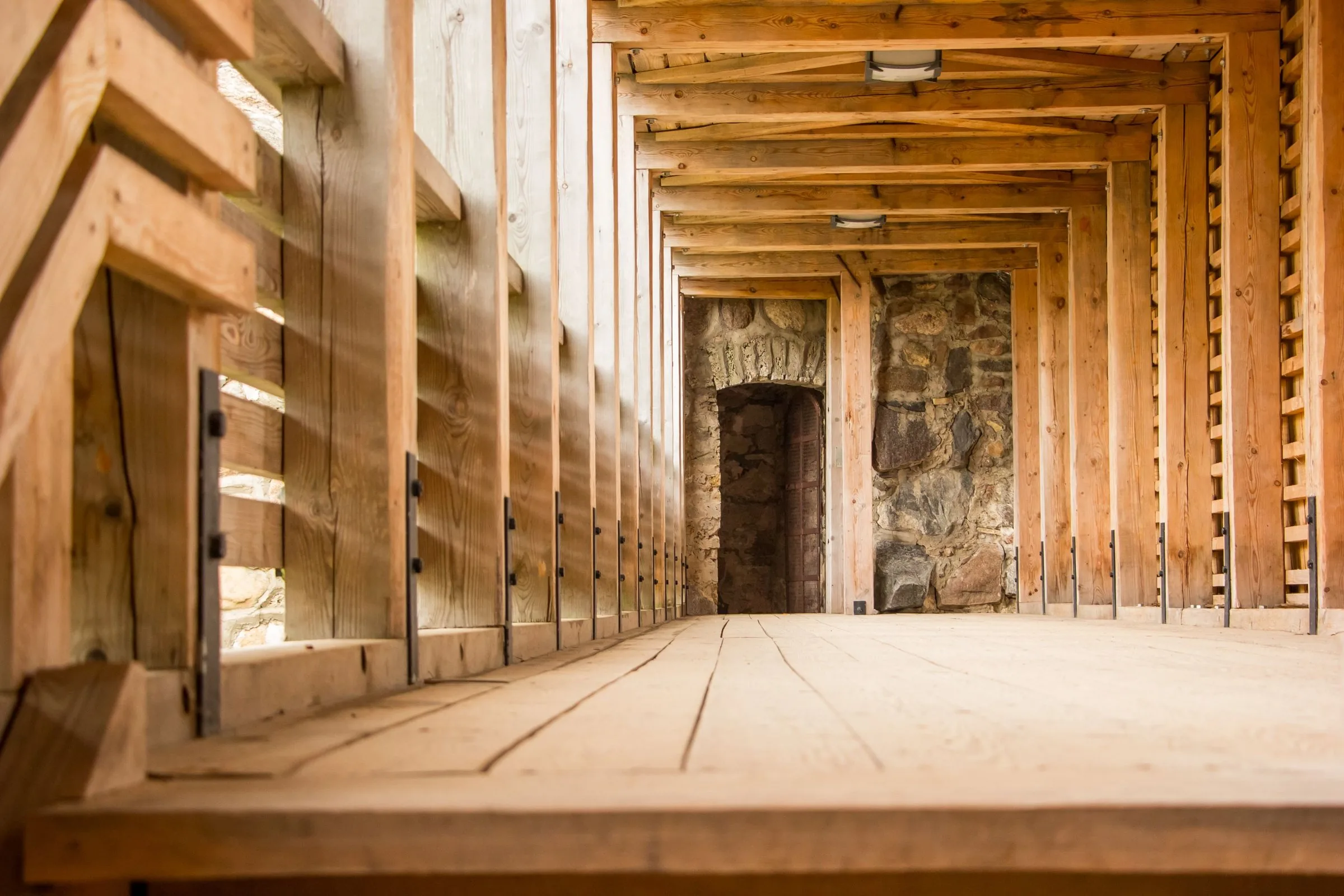
05
Heat networks
Shared pipes that carry heat from one low-carbon source to many buildings.
Replacing boilers one building at a time is slow where buildings are close together and heat demand is high.
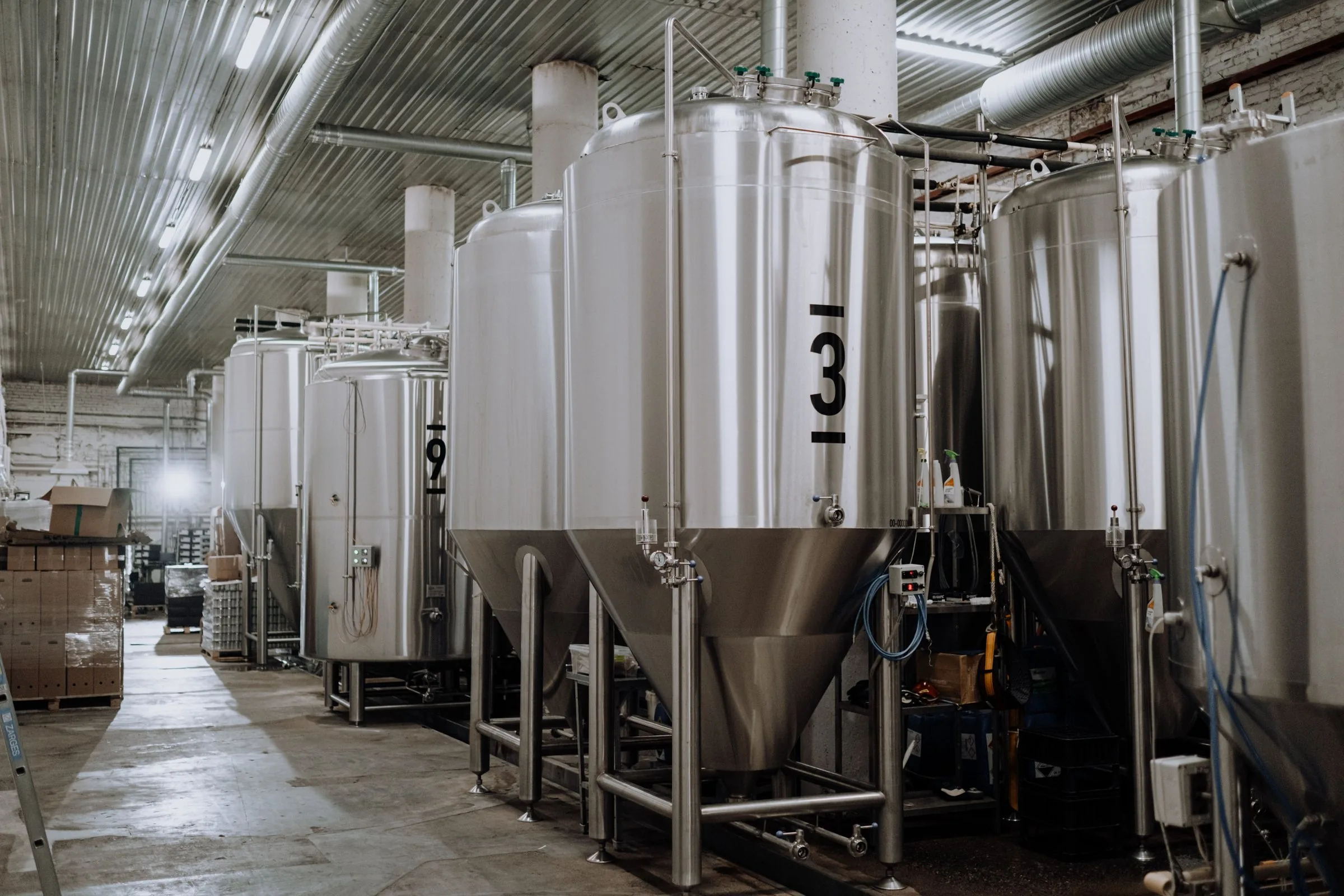
06
Carbon capture at industrial sites
Separating carbon dioxide from a plant's exhaust before it reaches the air.
Some industrial processes, such as cement-making, release carbon dioxide that cannot be avoided by switching fuel.
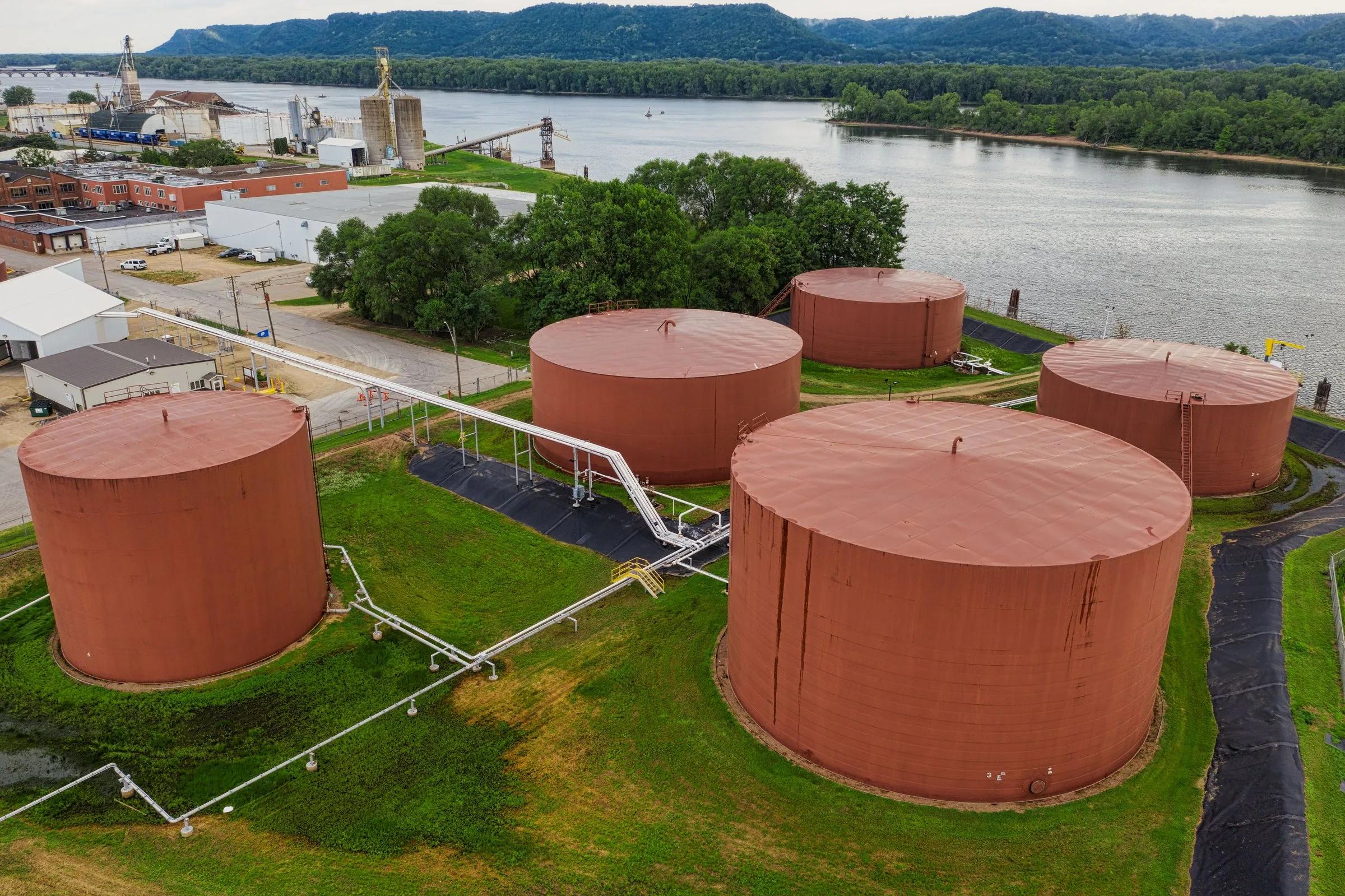
07
Treated wastewater reuse
Cleaning wastewater to a standard where it can be used again, for farms, industry or rivers.
Growing demand and drier seasons put pressure on rivers and aquifers, while treated wastewater is often simply discharged.
08
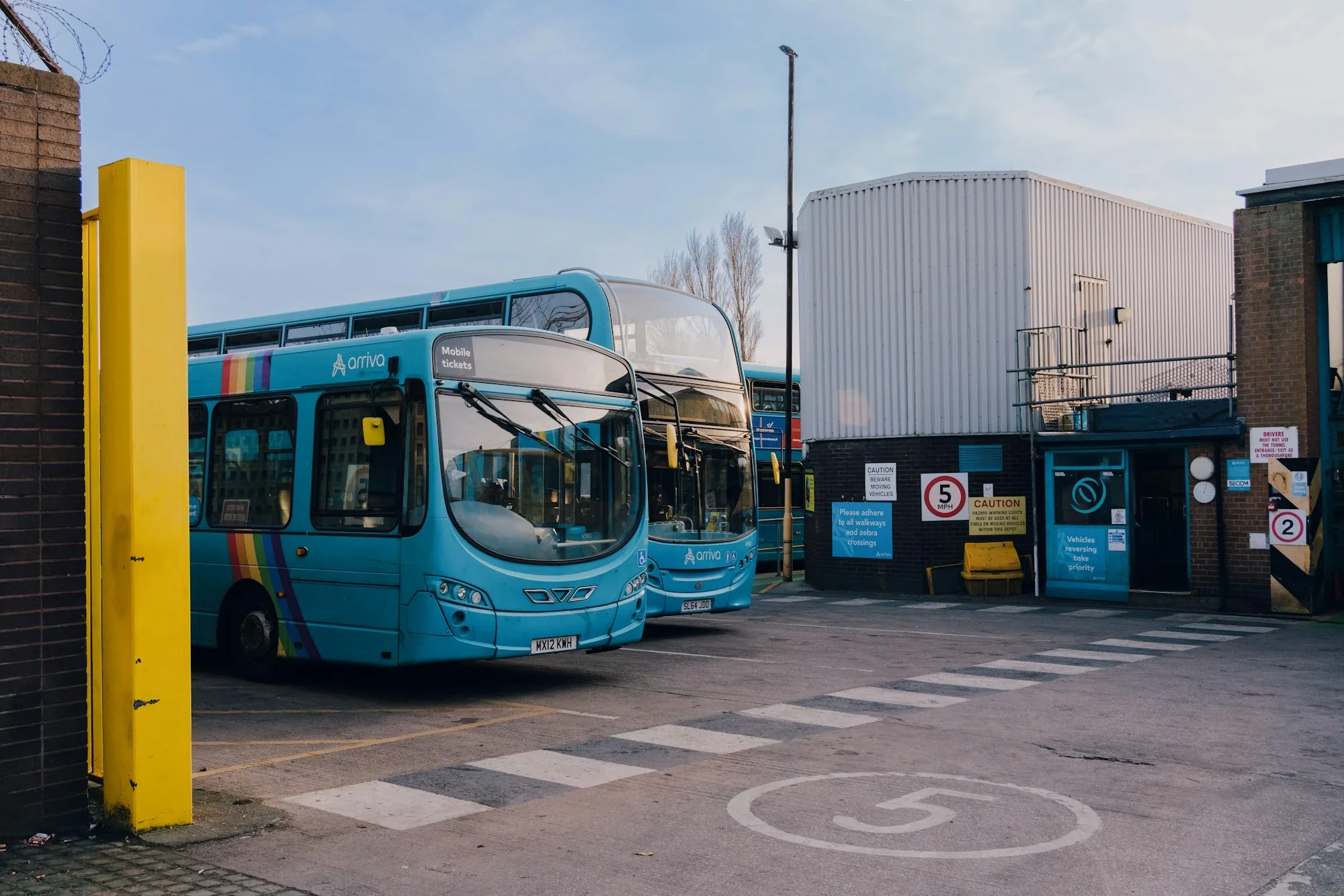
Electric buses and depot charging
Battery-electric buses charged overnight at the depot or briefly along their routes.
Diesel buses run all day in the busiest streets, adding emissions and local air pollution where people live and work.
09
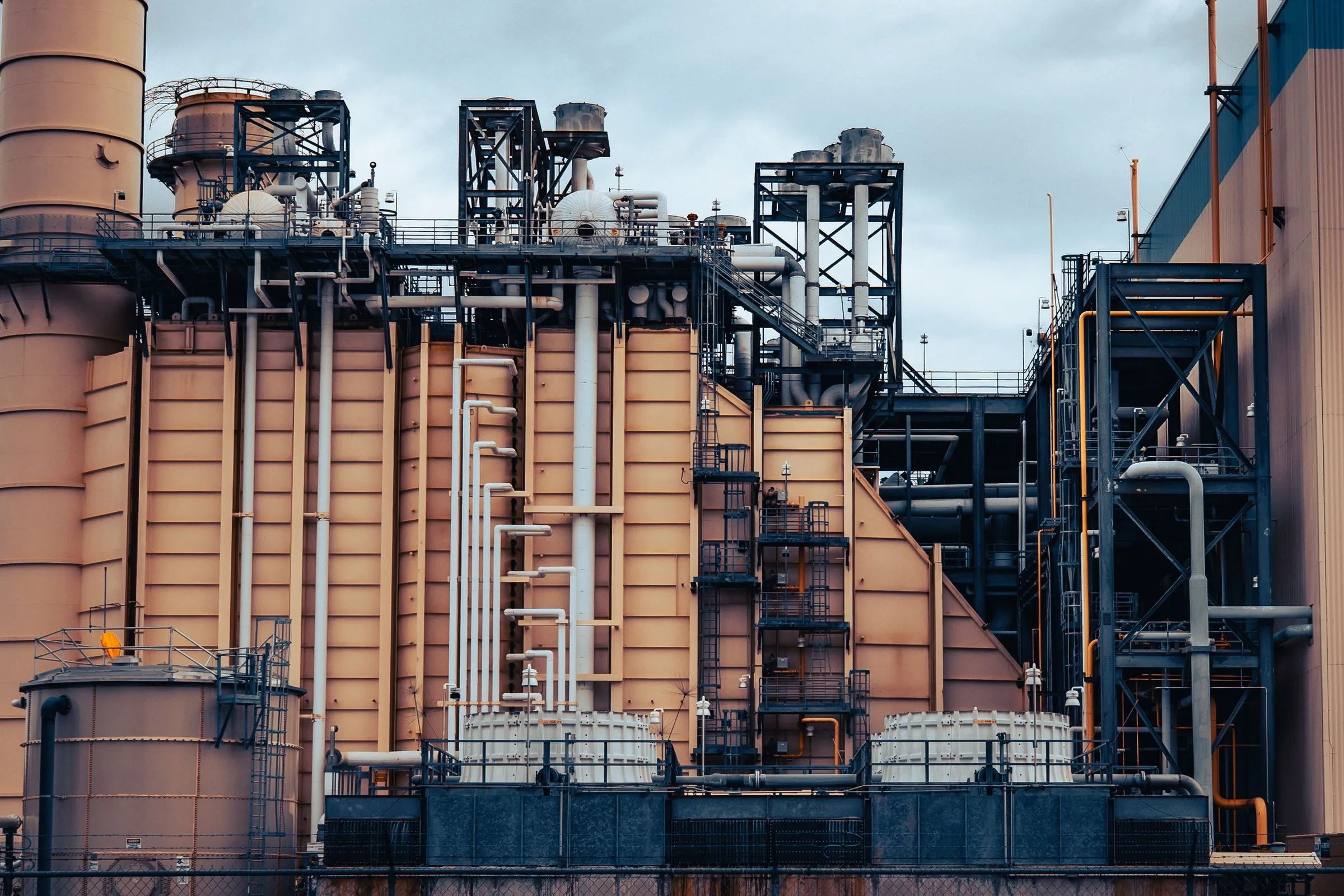
Lower-clinker cement
Cement blends that replace part of the clinker with other materials, cutting the emissions of making it.
Making clinker, the core ingredient of cement, releases carbon dioxide both from the fuel burned and from the limestone itself.
10
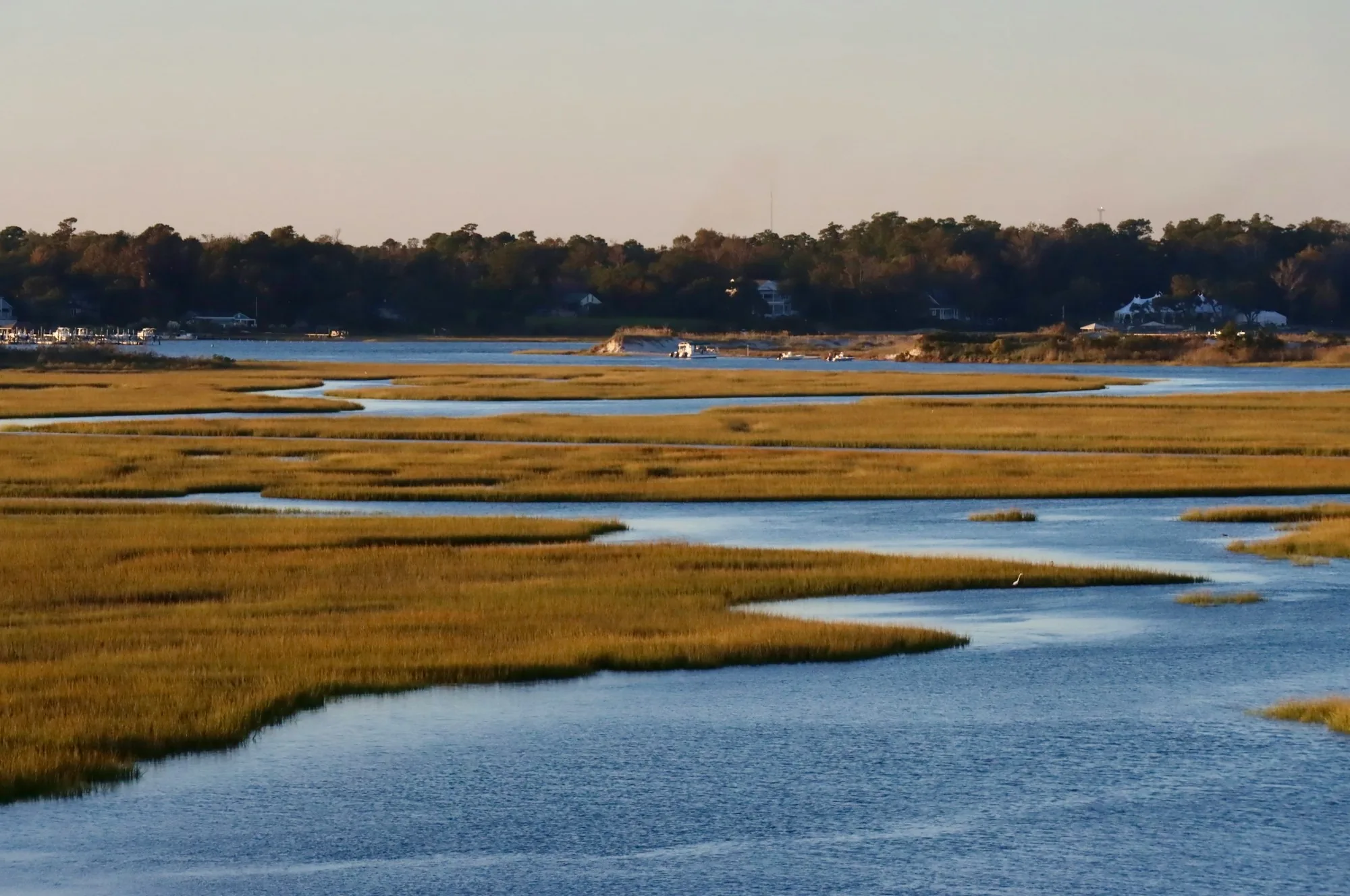
Peatland and wetland restoration
Bringing water back to drained peat and coastal land so these habitats can recover and hold carbon again.
Drained peat and reclaimed coastal land lose the carbon they store and the wildlife and flood protection they once gave.
Your questions, answered.
Quick answers about the platform and its content.
A technology or approach that addresses a specific problem in one or more systems, from heat pumps to land shared between farming and solar.
Only where a maturity stage is defined and backed by sources. We don't estimate one.
Always. Every solution lists where it falls short, alongside what it addresses and how it works.
To cover every system, from technologies like heat pumps and batteries to changes in how land, water and materials are used.
From published research and practice. Every entry is reviewed by people who know the field and linked to the systems, solutions and projects it relates to.