Connected system
Energy
Electric vehicles shift transport demand onto the power grid.
Electricity, renewables, grids and storage
Road, aviation, shipping and mobility
Overview
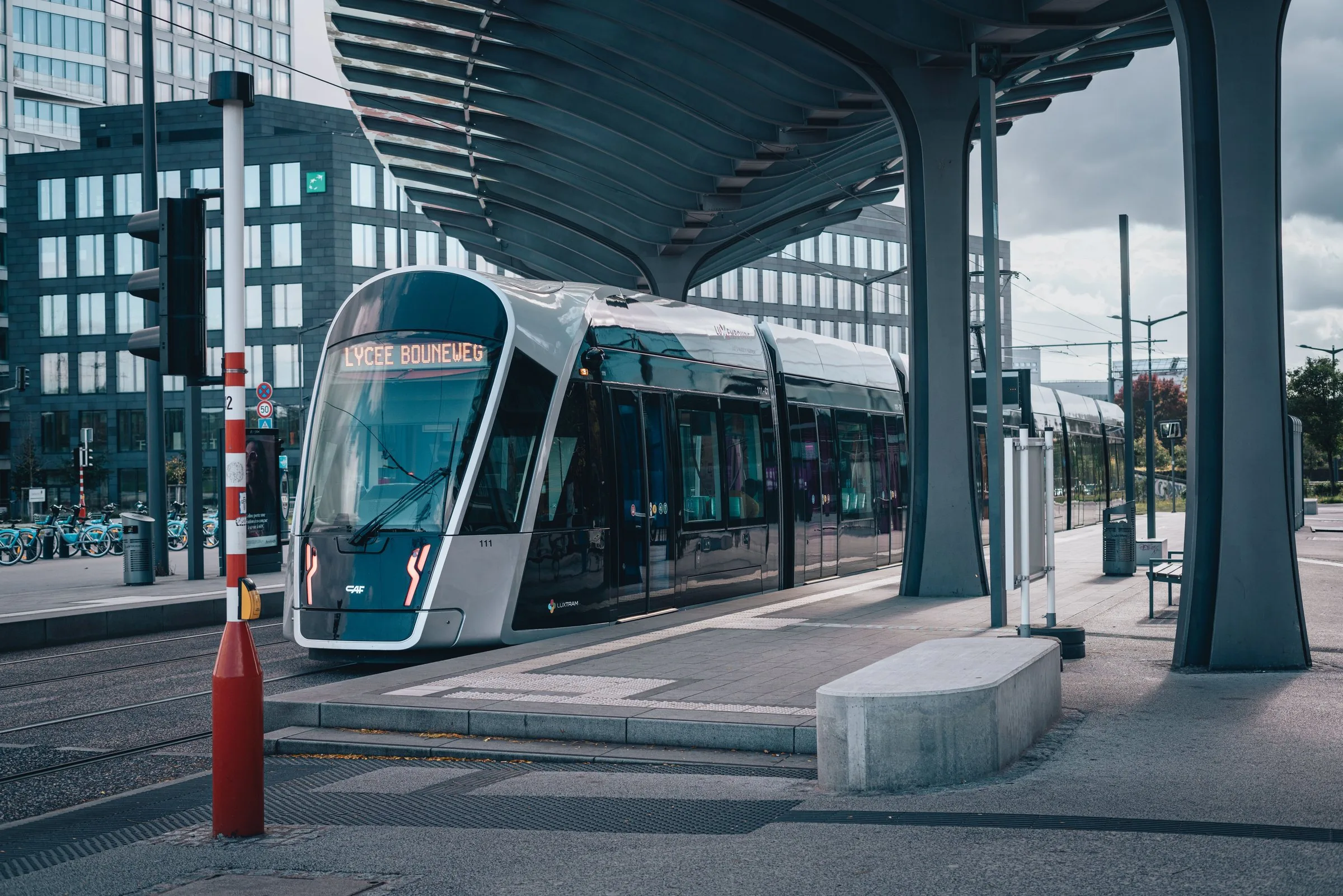
Moving people and goods by road, rail, sea and air, from vehicle technology to the way cities are planned.
Challenges01
Vehicles stay in service for years, so fleets change slowly.
Aviation and shipping rely on energy-dense fuels that are hard to replace.
Charging and refuelling networks have to grow alongside new vehicles.
Opportunities02
Battery-electric vehicles for road transport, charged from a cleaner grid.
Public transport, walking and cycling, supported by how places are planned.
Alternative fuels in development for long-distance shipping and flight.
Solutions
Battery-electric buses charged overnight at the depot or briefly along their routes.
Connections
Connected system
Electric vehicles shift transport demand onto the power grid.
Electricity, renewables, grids and storage
Quick answers about the platform and its content.
One of eight broad areas, such as energy, buildings or water, where climate change is felt and addressed. Solutions and projects are organised around them.
They cover the main sources of emissions and the main places adaptation happens, while staying few enough to hold in mind at once.
Only well-established mechanisms are included, described in words. No quantities are attached unless a source supports them.
Yes, constantly. That is the point of mapping them together: a change in one shifts what is possible in others.
From published research and practice. Every entry is reviewed by people who know the field and linked to the systems, solutions and projects it relates to.