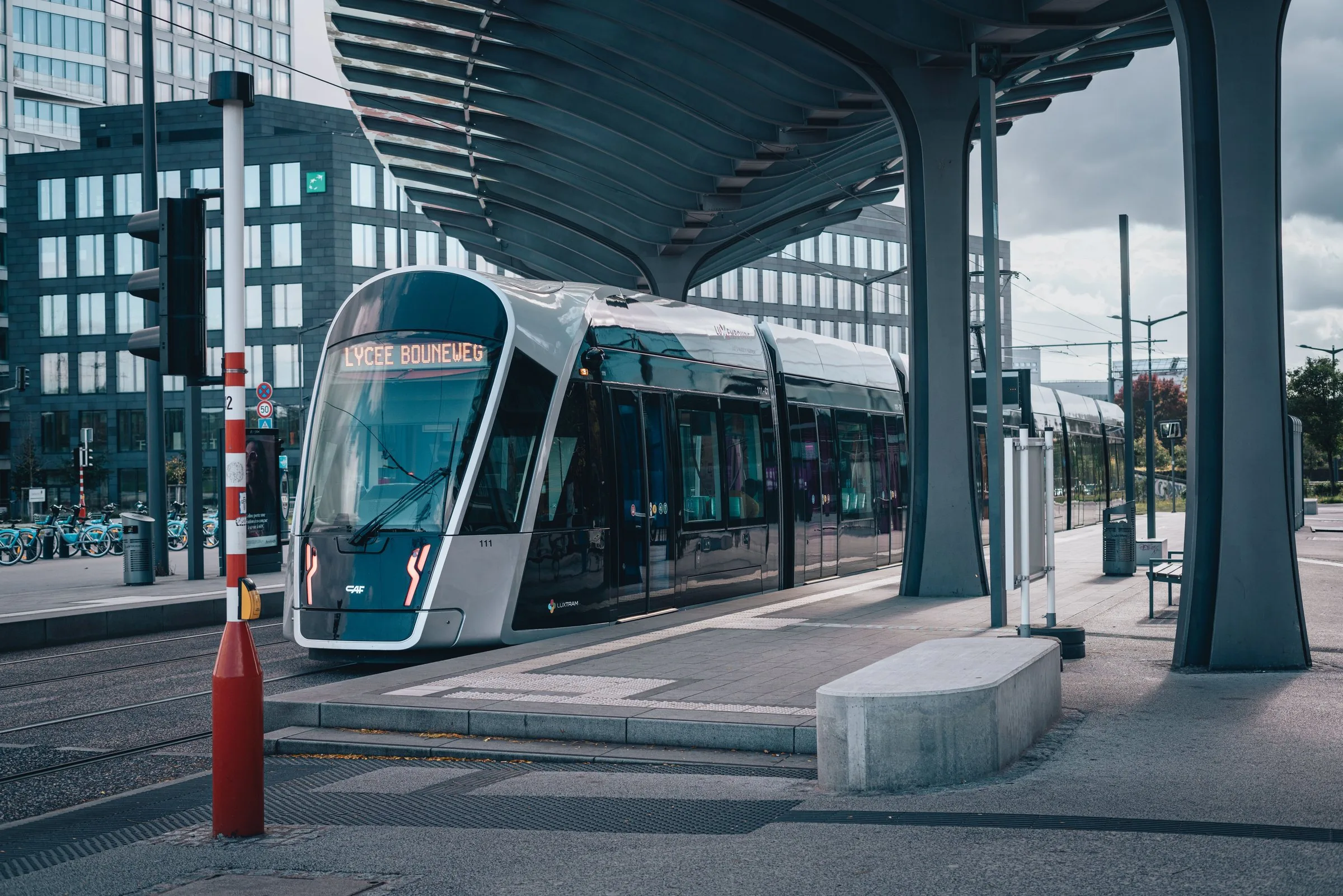
Connected system
Transport
Electric vehicles shift transport demand onto the power grid.
Road, aviation, shipping and mobility
Electricity, renewables, grids and storage
Overview
How power is generated, moved and stored, and how grids adapt as more of the economy runs on electricity.
Challenges01
Matching supply and demand as more power comes from variable wind and solar.
Expanding and modernising grids fast enough to connect new generation and new demand.
Keeping supply reliable through still, dark periods when wind and sun are low.
Opportunities02
Storage and flexible demand that shift electricity use to when power is plentiful.
Electrifying heat and transport so they can run on cleaner power.
Smarter grids and local generation that make better use of existing wires.
Solutions
Storing electricity when it is plentiful and releasing it when the grid needs it.
Panels on homes, schools and warehouses that generate electricity where it is used.
Connections
Connected system
Electric vehicles shift transport demand onto the power grid.
Road, aviation, shipping and mobility
Connected system
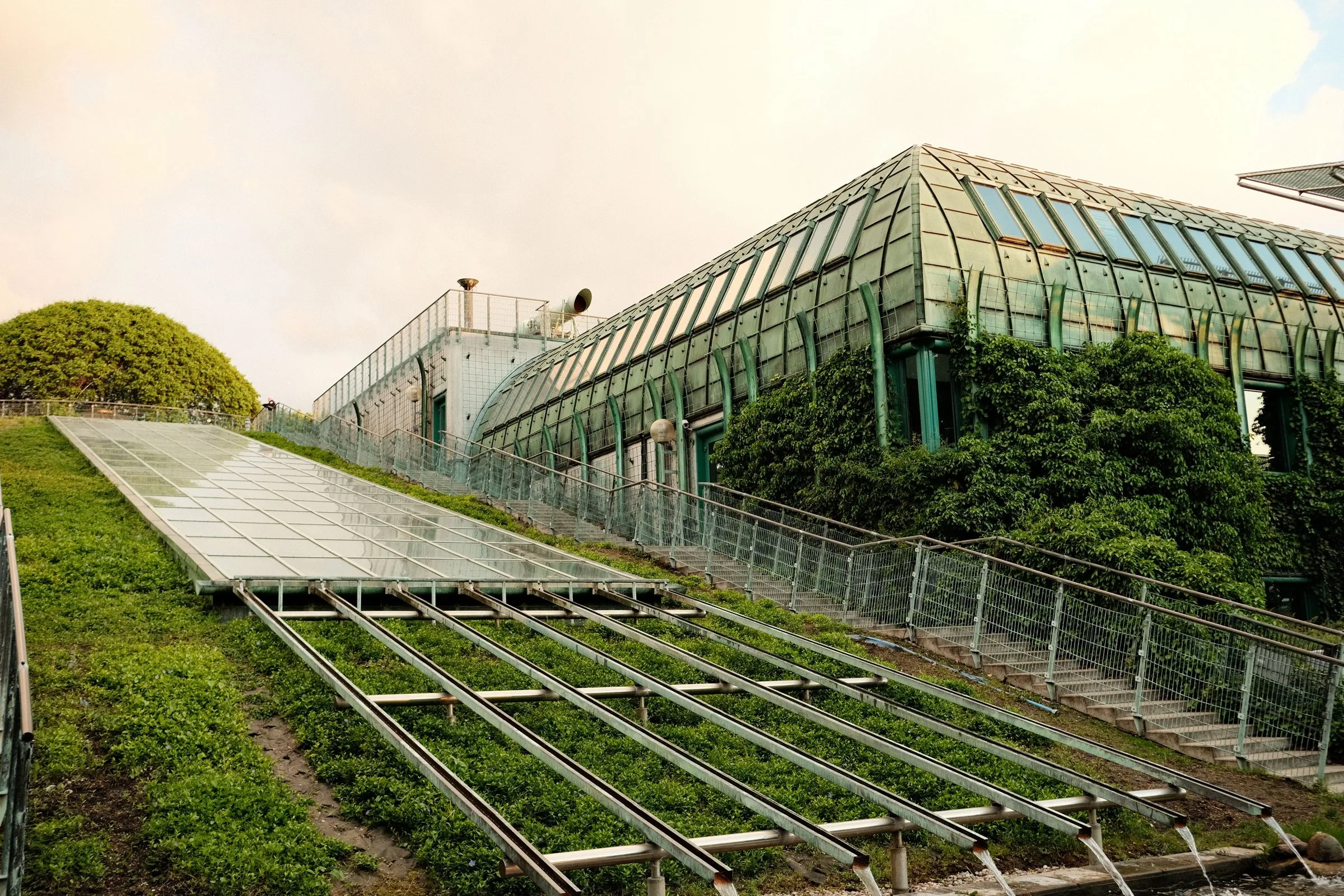
Heat pumps and efficient buildings change when and how electricity is used.
Construction, heating, cooling and efficiency

Connected system
Clean electricity and hydrogen are possible routes to lower-emission industrial heat.
Manufacturing, steel, cement and chemicals
Connected system
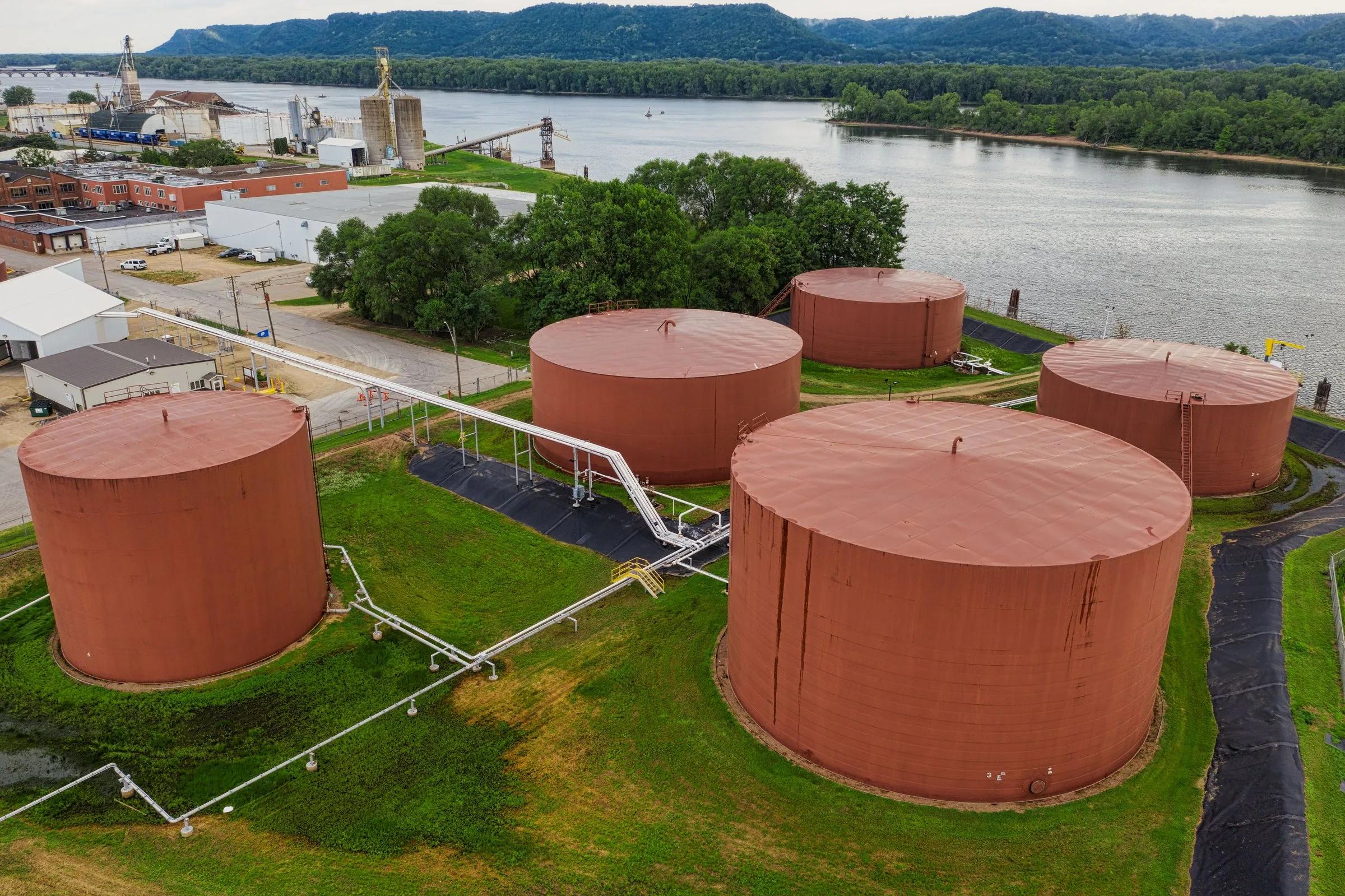
Power plants need water for cooling, and pumping and treating water needs energy.
Water security, treatment and desalination
Quick answers about the platform and its content.
One of eight broad areas, such as energy, buildings or water, where climate change is felt and addressed. Solutions and projects are organised around them.
They cover the main sources of emissions and the main places adaptation happens, while staying few enough to hold in mind at once.
Only well-established mechanisms are included, described in words. No quantities are attached unless a source supports them.
Yes, constantly. That is the point of mapping them together: a change in one shifts what is possible in others.
From published research and practice. Every entry is reviewed by people who know the field and linked to the systems, solutions and projects it relates to.