Connected system
Nature
How land is farmed affects soils, forests and biodiversity.
Ecosystems, forests and biodiversity
Agriculture, food systems and land use
Overview
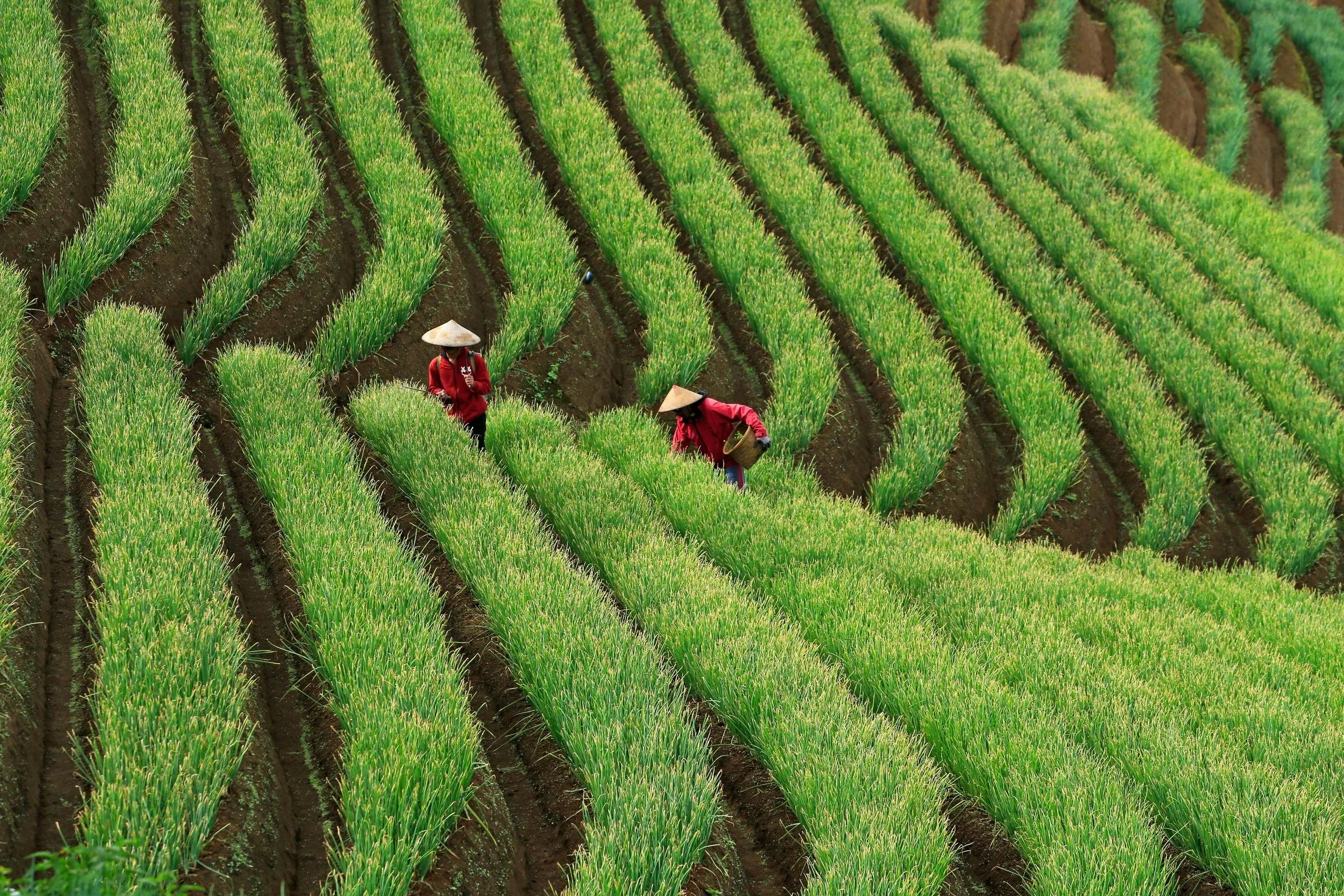
How food is grown, processed and distributed, and the choices that shape what land is used for.
Challenges01
Producing enough food while using land, water and fertiliser more carefully.
Emissions from livestock, soils and fertiliser spread across many farms.
Competing demands on land for food, energy, housing and nature.
Opportunities02
Farming practices that build soil health and keep carbon in the ground.
Less food lost or wasted between field and plate.
Sharing land between uses, as agrivoltaics does with solar and crops.
Solutions
Sharing the same land between solar panels and crops or grazing, so one field can produce both food and electricity.
Quick answers about the platform and its content.
One of eight broad areas, such as energy, buildings or water, where climate change is felt and addressed. Solutions and projects are organised around them.
They cover the main sources of emissions and the main places adaptation happens, while staying few enough to hold in mind at once.
Only well-established mechanisms are included, described in words. No quantities are attached unless a source supports them.
Yes, constantly. That is the point of mapping them together: a change in one shifts what is possible in others.
From published research and practice. Every entry is reviewed by people who know the field and linked to the systems, solutions and projects it relates to.