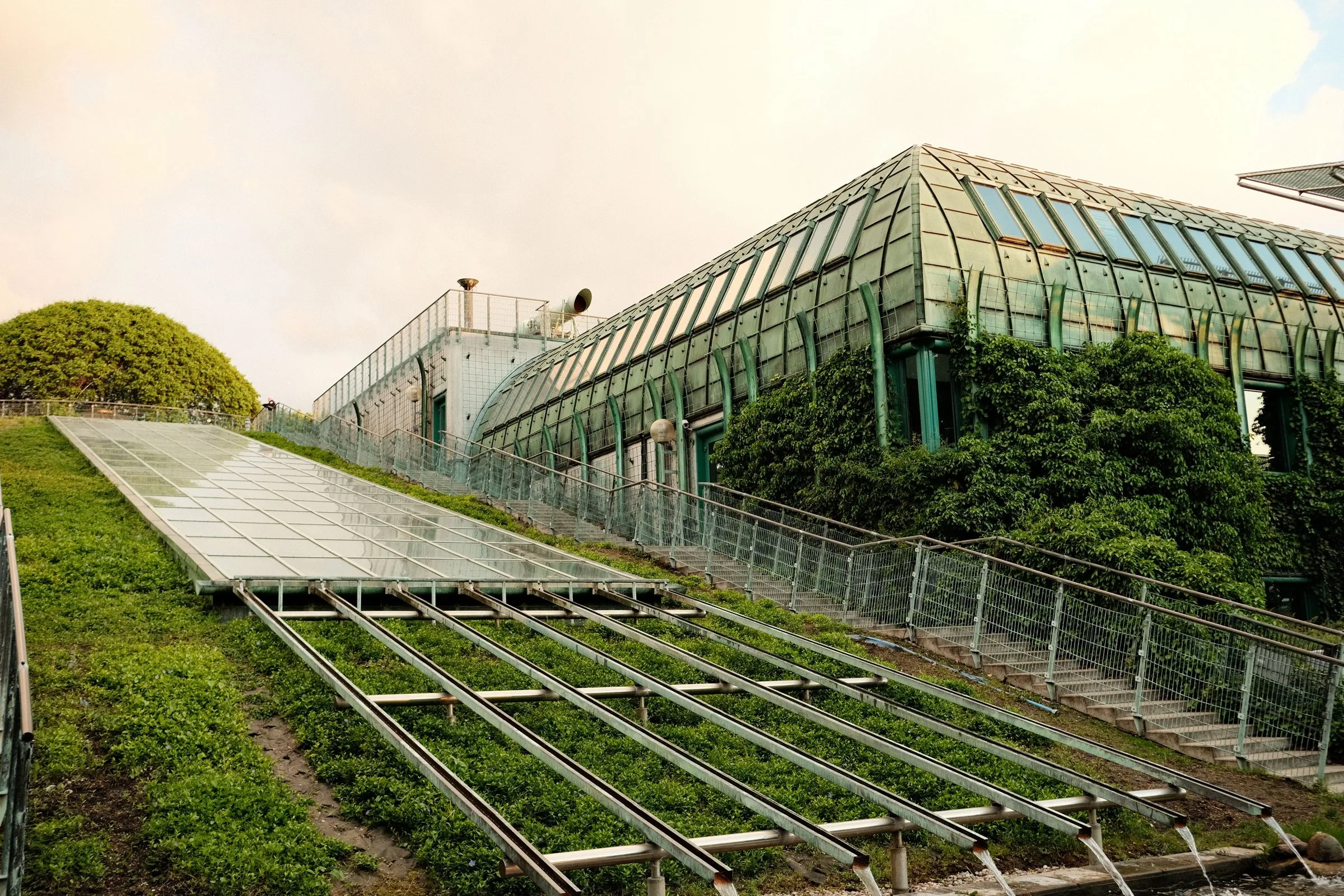
Connected system
Energy
Clean electricity and hydrogen are possible routes to lower-emission industrial heat.
Electricity, renewables, grids and storage
Manufacturing, steel, cement and chemicals
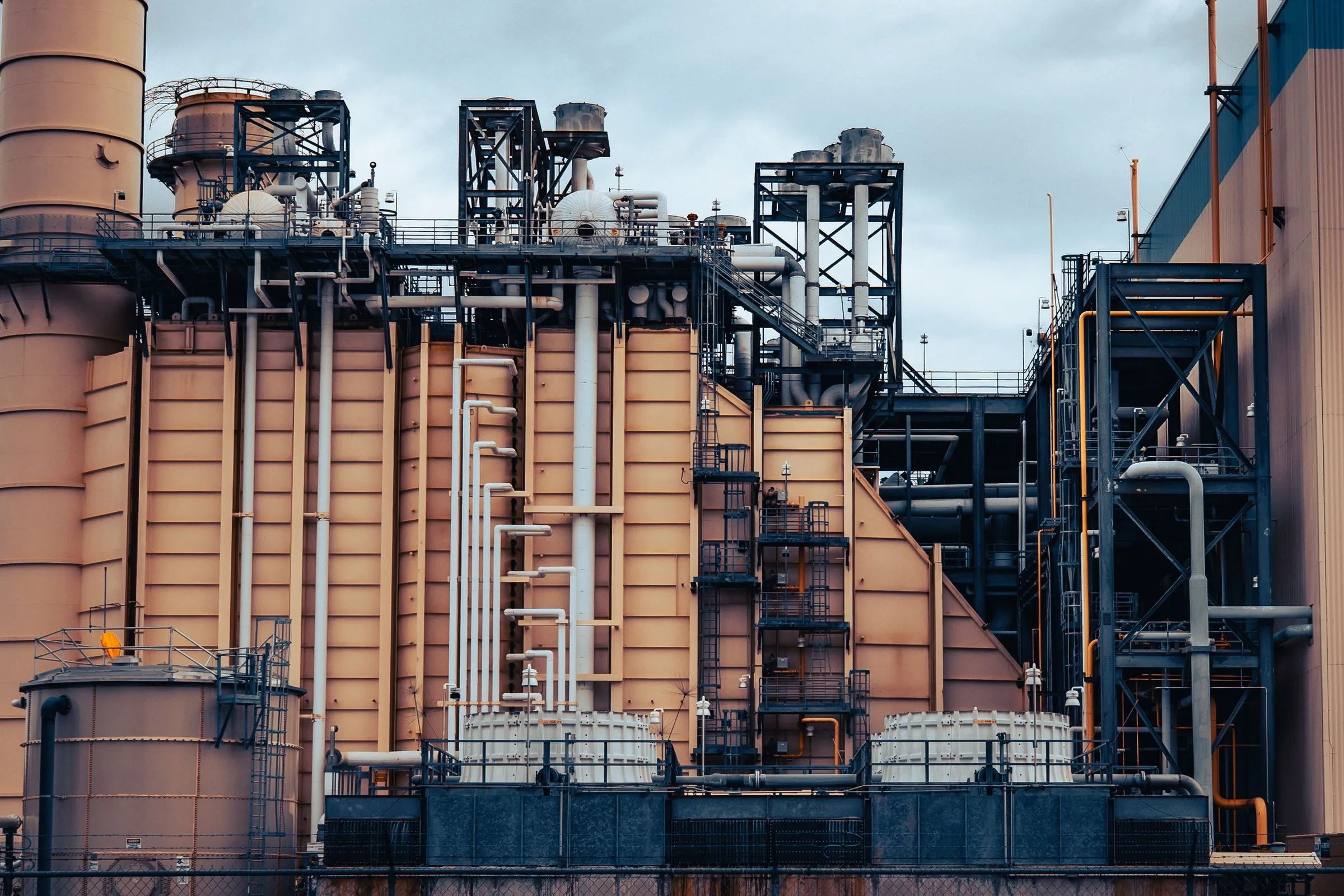
Overview
The high-heat processes and materials, such as steel, cement and chemicals, that underpin almost everything else.
Challenges01
Many processes need very high temperatures that are hard to electrify.
Some emissions, as in cement, come from the chemistry itself and not only from fuel.
Plants run for decades, so investment cycles are long.
Opportunities02
Electrified or hydrogen-based heat where processes allow it.
Using materials more efficiently, and recycling more of them.
Capture and storage for process emissions that are hard to avoid.
Solutions
Cement blends that replace part of the clinker with other materials, cutting the emissions of making it.
Connections
Connected system
Clean electricity and hydrogen are possible routes to lower-emission industrial heat.
Electricity, renewables, grids and storage
Connected system
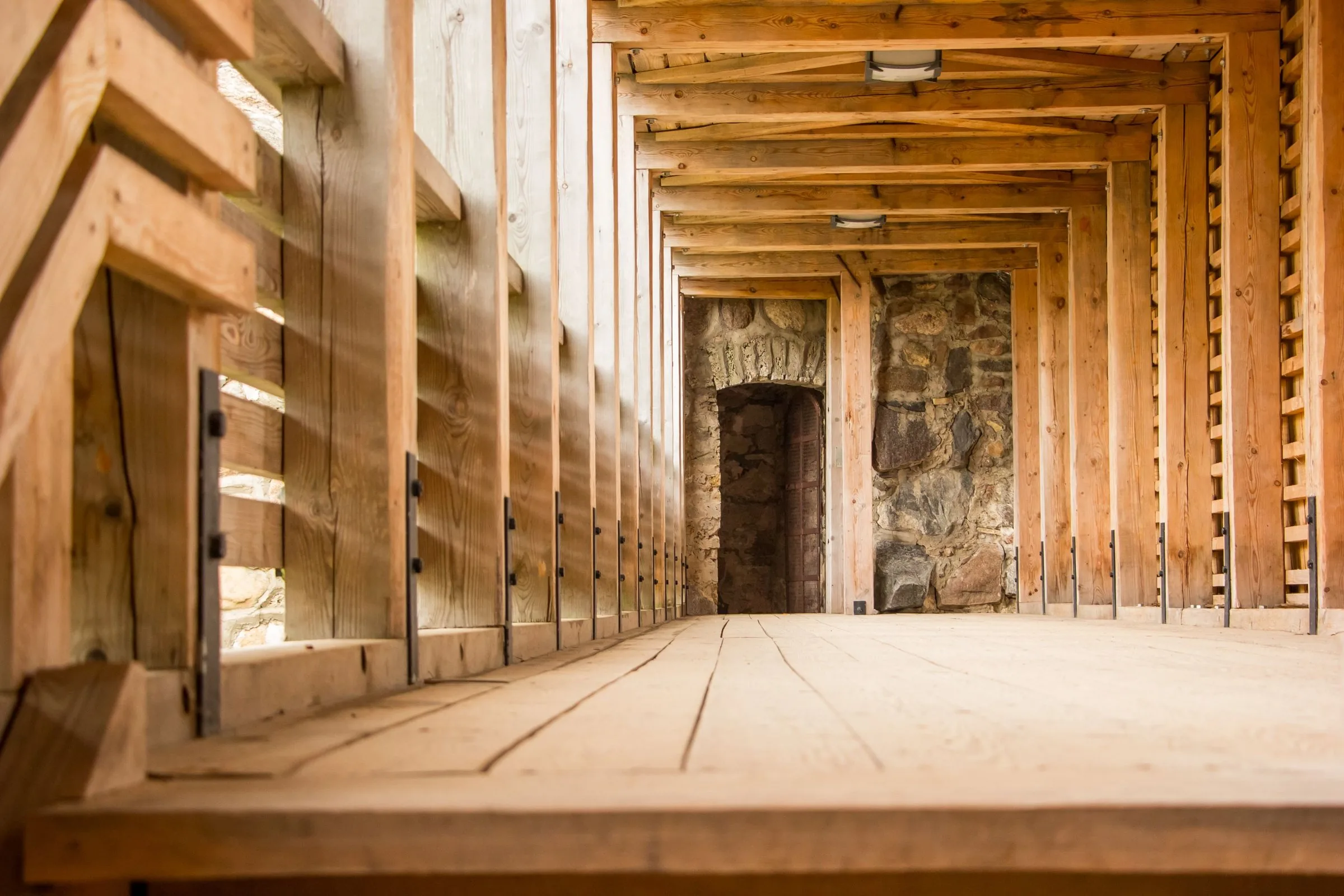
Steel and cement choices shape the embodied emissions of what we build.
Construction, heating, cooling and efficiency
Connected system
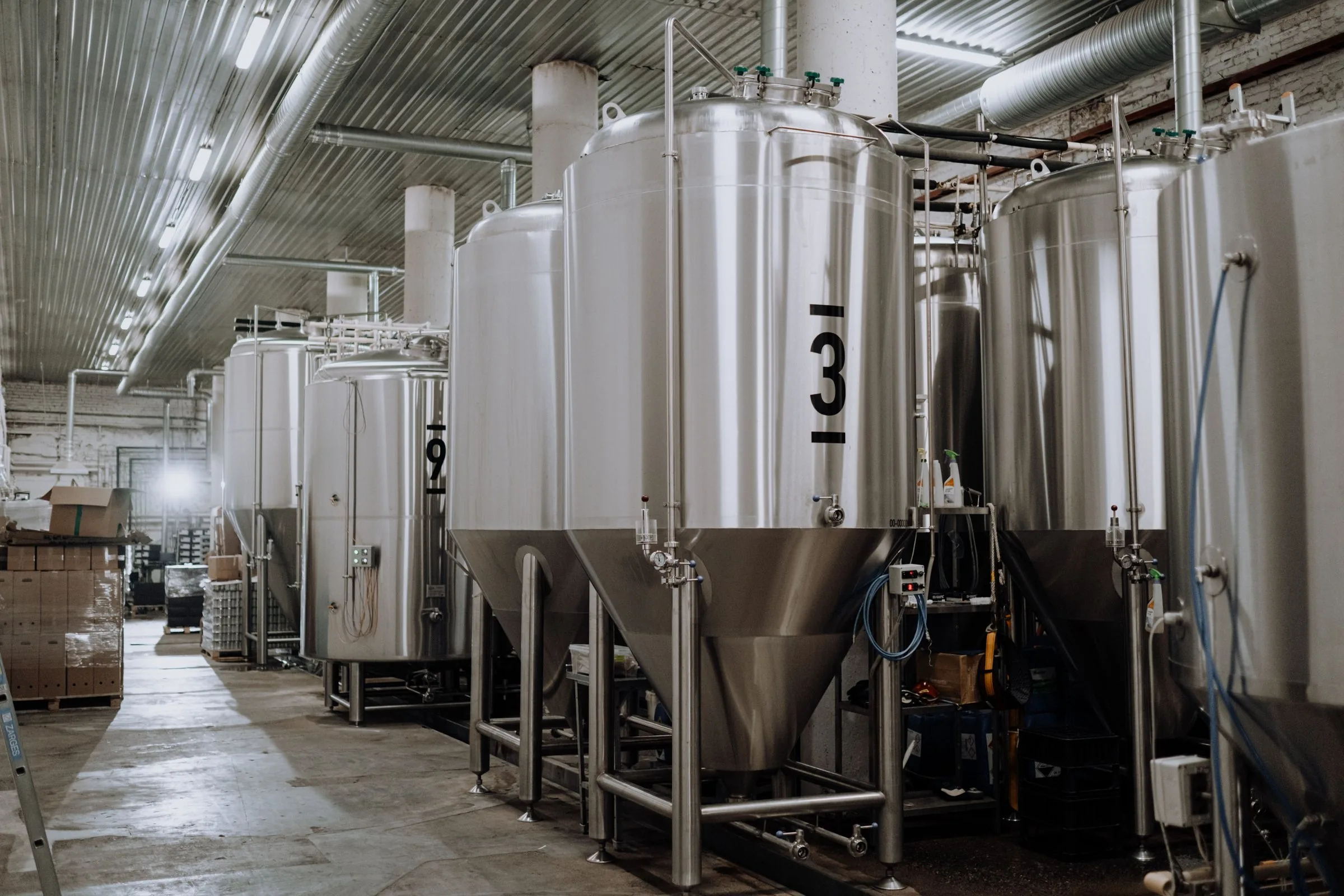
Capture and storage are explored for process emissions that are hard to avoid, as in cement.
Carbon removal, capture and storage
Quick answers about the platform and its content.
One of eight broad areas, such as energy, buildings or water, where climate change is felt and addressed. Solutions and projects are organised around them.
They cover the main sources of emissions and the main places adaptation happens, while staying few enough to hold in mind at once.
Only well-established mechanisms are included, described in words. No quantities are attached unless a source supports them.
Yes, constantly. That is the point of mapping them together: a change in one shifts what is possible in others.
From published research and practice. Every entry is reviewed by people who know the field and linked to the systems, solutions and projects it relates to.