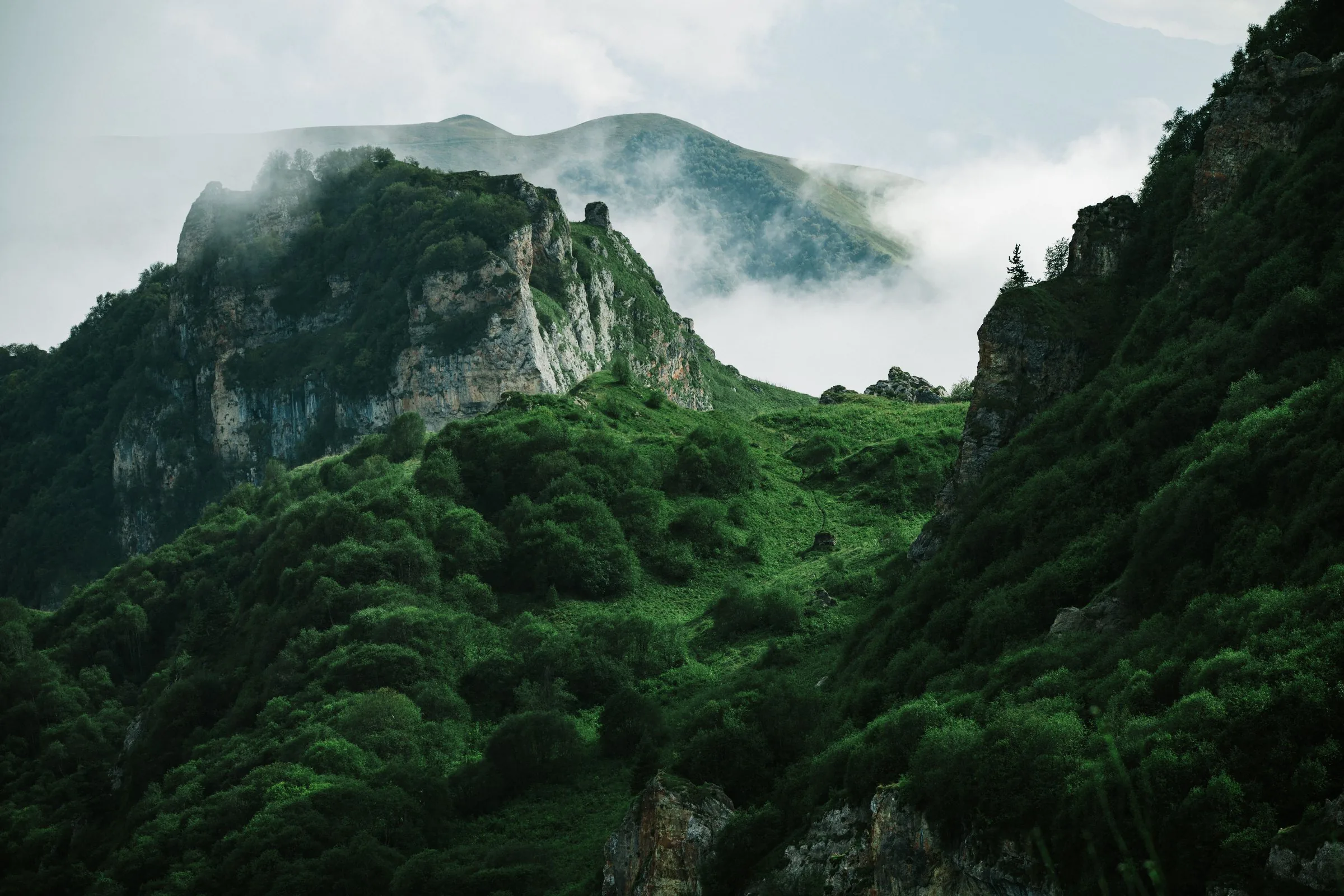
Main system
Nature
Forests, wetlands, oceans and soils: the living systems that store carbon, regulate climate and support life.
Ecosystems, forests and biodiversity
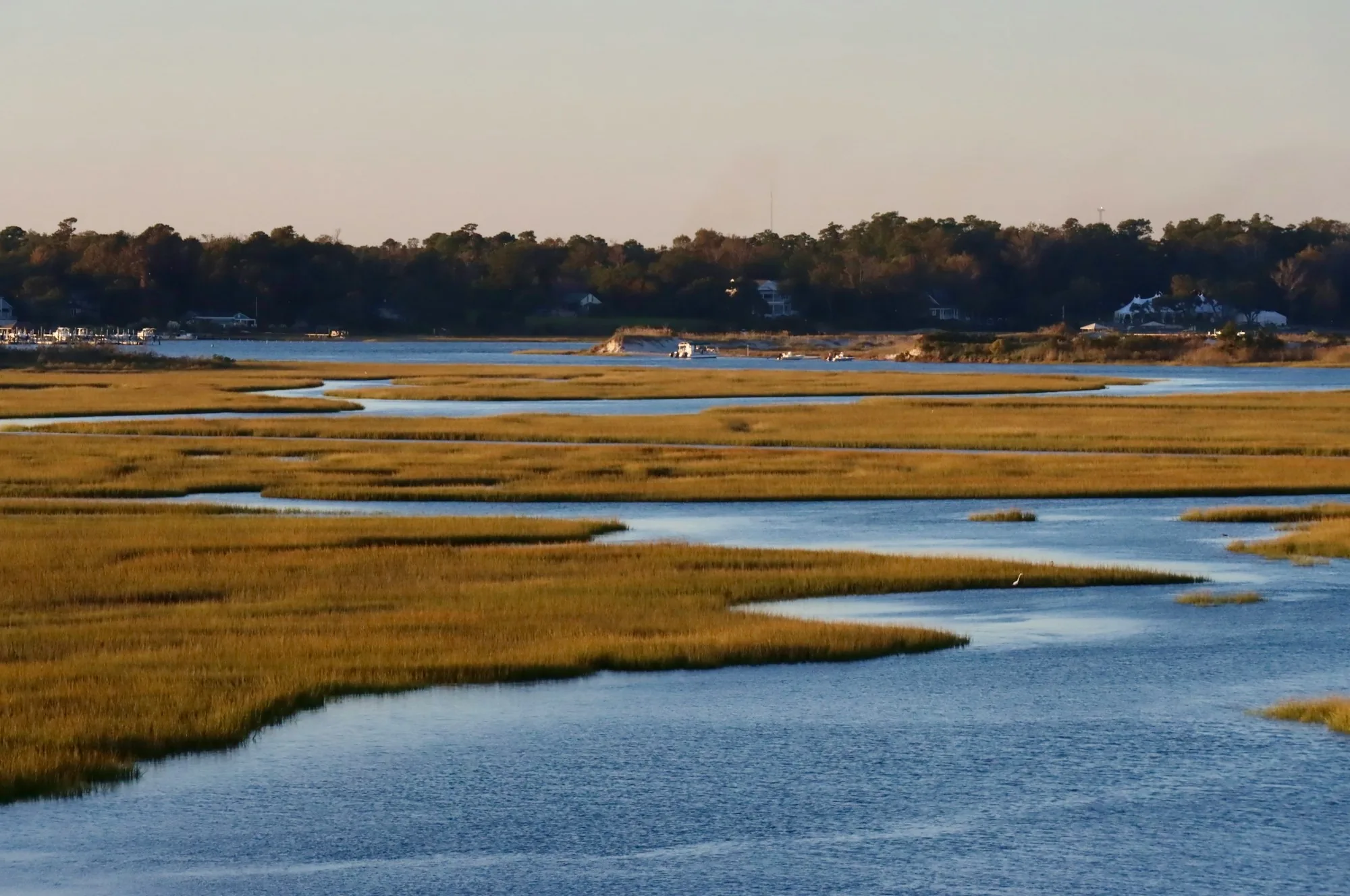
Bringing water back to drained peat and coastal land so these habitats can recover and hold carbon again.
The problem
Drained peat and reclaimed coastal land lose the carbon they store and the wildlife and flood protection they once gave.
Approach01
Drains are blocked or sea defences realigned, and the land is left to return to bog, fen or saltmarsh.
The site is surveyed to understand how water moves across it and what it used to be.
Ditches are blocked, or defences breached or moved, so water returns in a controlled way.
Vegetation, water levels and wildlife are monitored as the habitat re-establishes.
Limitations02
Recovery takes years, and results depend on the site.
Neighbouring land, access and flood risk have to be agreed and managed.
Restored land can no longer be used as it was before.
At a glance
How solutions are sourced and reviewed is set out in our methodology.
System and projects
Main system
Forests, wetlands, oceans and soils: the living systems that store carbon, regulate climate and support life.
Ecosystems, forests and biodiversity
Project
Reconnecting drained coastal land to the tide, and what it takes to monitor how a saltmarsh re-establishes over time.
Coastal land drained long ago for farming can sometimes be reconnected to the tide, letting saltmarsh return.
Project
Raising water levels on drained peat so it stops losing carbon and can start to recover.
Drained peat slowly releases the carbon it has stored for thousands of years; keeping it wet can halt that loss.
Quick answers about the platform and its content.
A technology or approach that addresses a specific problem in one or more systems, from heat pumps to land shared between farming and solar.
Only where a maturity stage is defined and backed by sources. We don't estimate one.
Always. Every solution lists where it falls short, alongside what it addresses and how it works.
To cover every system, from technologies like heat pumps and batteries to changes in how land, water and materials are used.
From published research and practice. Every entry is reviewed by people who know the field and linked to the systems, solutions and projects it relates to.