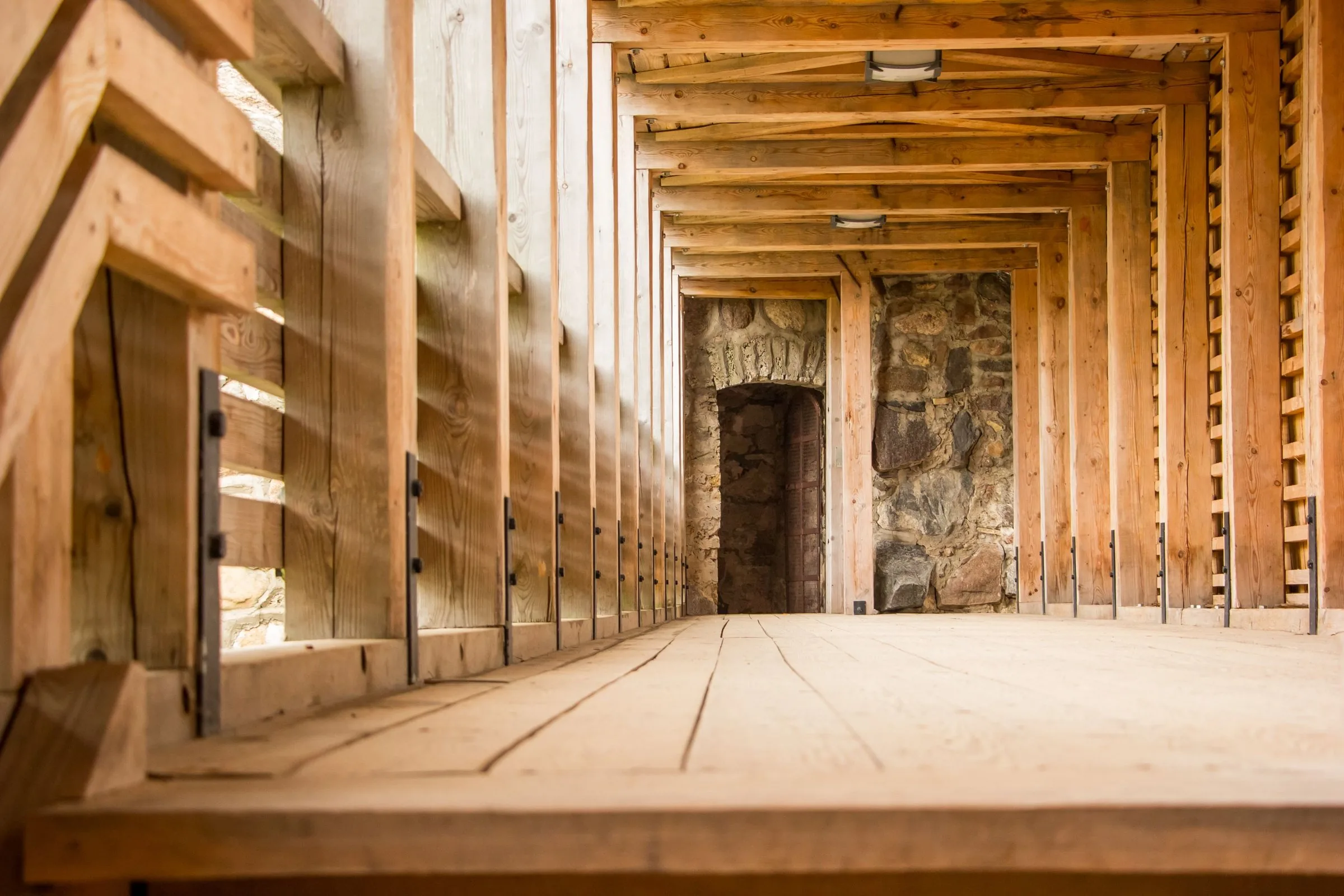
Solution
Heat networks
Shared pipes that carry heat from one low-carbon source to many buildings.
The source might be large heat pumps, waste heat from industry or deep geothermal heat.
Connecting public buildings and homes to shared low-carbon heat through underground pipes.
Context
Where buildings sit close together, one shared heat source can replace many individual boilers.
Step 0101
Map heat demand, building ages and the streets that pipes could follow.
Step 0202
Choose a low-carbon source, such as large heat pumps or waste heat.
Step 0303
Lay pipes in phases, connecting anchor buildings first and homes after.
Considerations
Disruption from street works.
Fair pricing for connected households.
Keeping heat losses in the pipes low.
How projects are sourced and reviewed is set out in our methodology.
Solutions and systems
Solution
Shared pipes that carry heat from one low-carbon source to many buildings.
The source might be large heat pumps, waste heat from industry or deep geothermal heat.
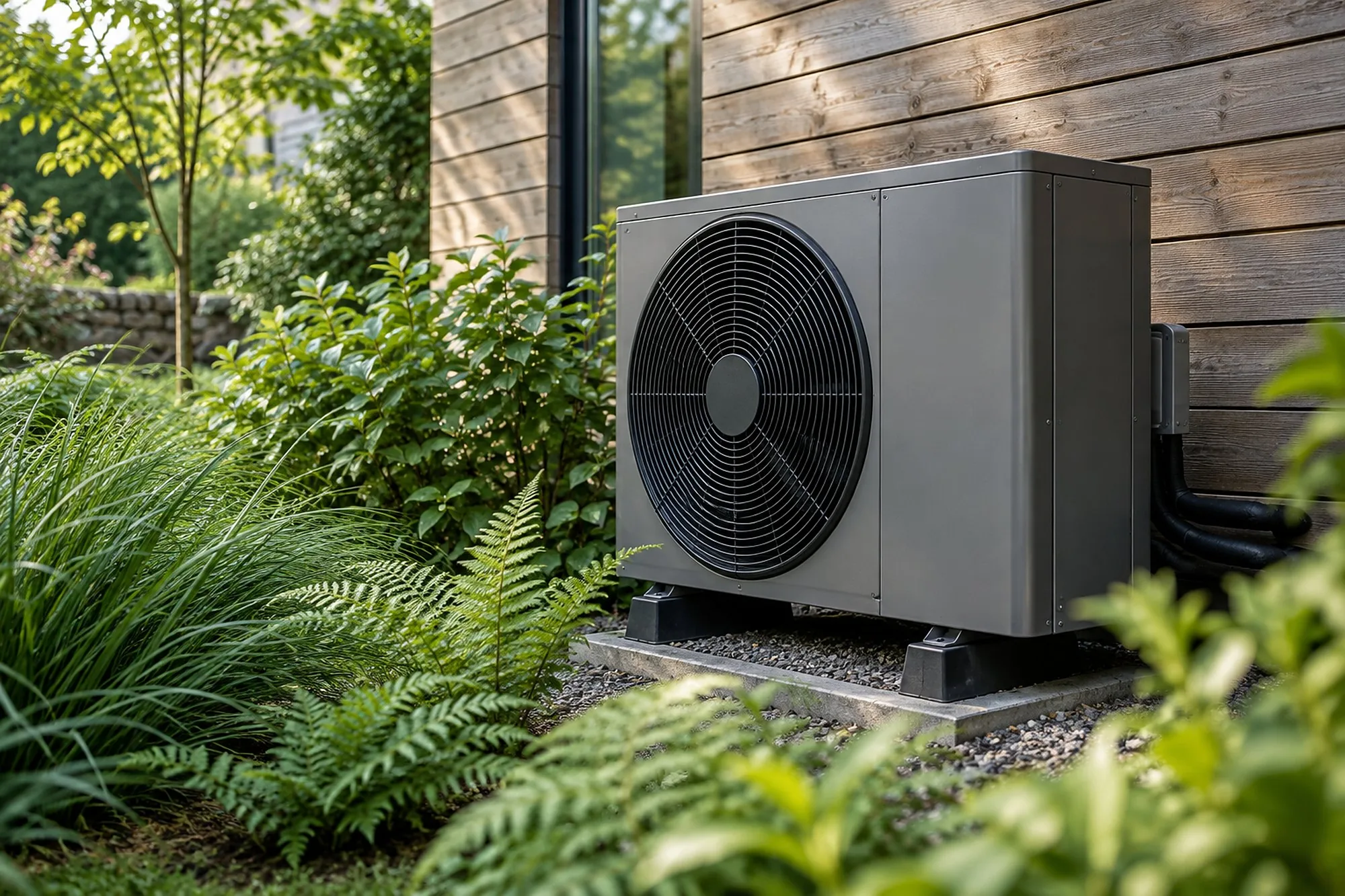
Solution
Moving heat from outside air into a building using electricity, instead of burning fuel.
Many models can also run in reverse, cooling the building in warmer months.
System
The homes, offices and public buildings we heat, cool and build, and the materials they are made from.
Construction, heating, cooling and efficiency
System
How power is generated, moved and stored, and how grids adapt as more of the economy runs on electricity.
Electricity, renewables, grids and storage
Quick answers about the platform and its content.
The context, the work step by step, what it has to weigh up, and the solutions and systems it connects.
To show how approaches come together in practice across different systems, from restoring land to electrifying transport.
Every project links to the solutions it puts to use and the systems it touches, each with its own page.
Yes. Tell us about it through the contact page, and we can look at documenting it with its evidence.