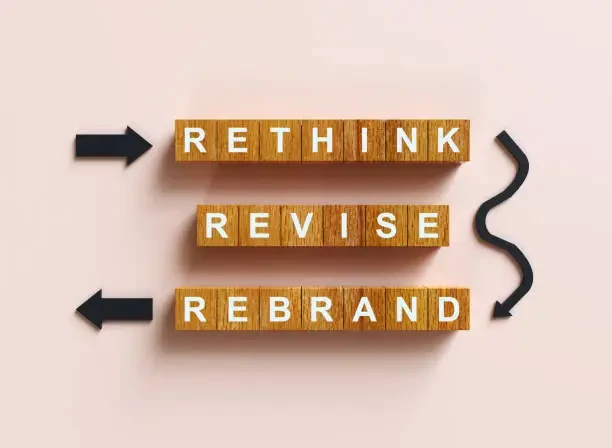
Clients brief us on taglines. Nobody has ever briefed us on the word on the checkout button, yet far more people read it, and far more often.
Where a Voice Really Lives
A brand’s voice isn’t in its manifesto. It’s in the small print, in the places people only read when they need something:
- Buttons. “Book a crossing” tells you more about a ferry company than its mission statement.
- Errors. The moment someone is annoyed is the moment your tone matters most.
- Labels. Care instructions, receipts and order emails get read closely, and kept.
Writing It Twice
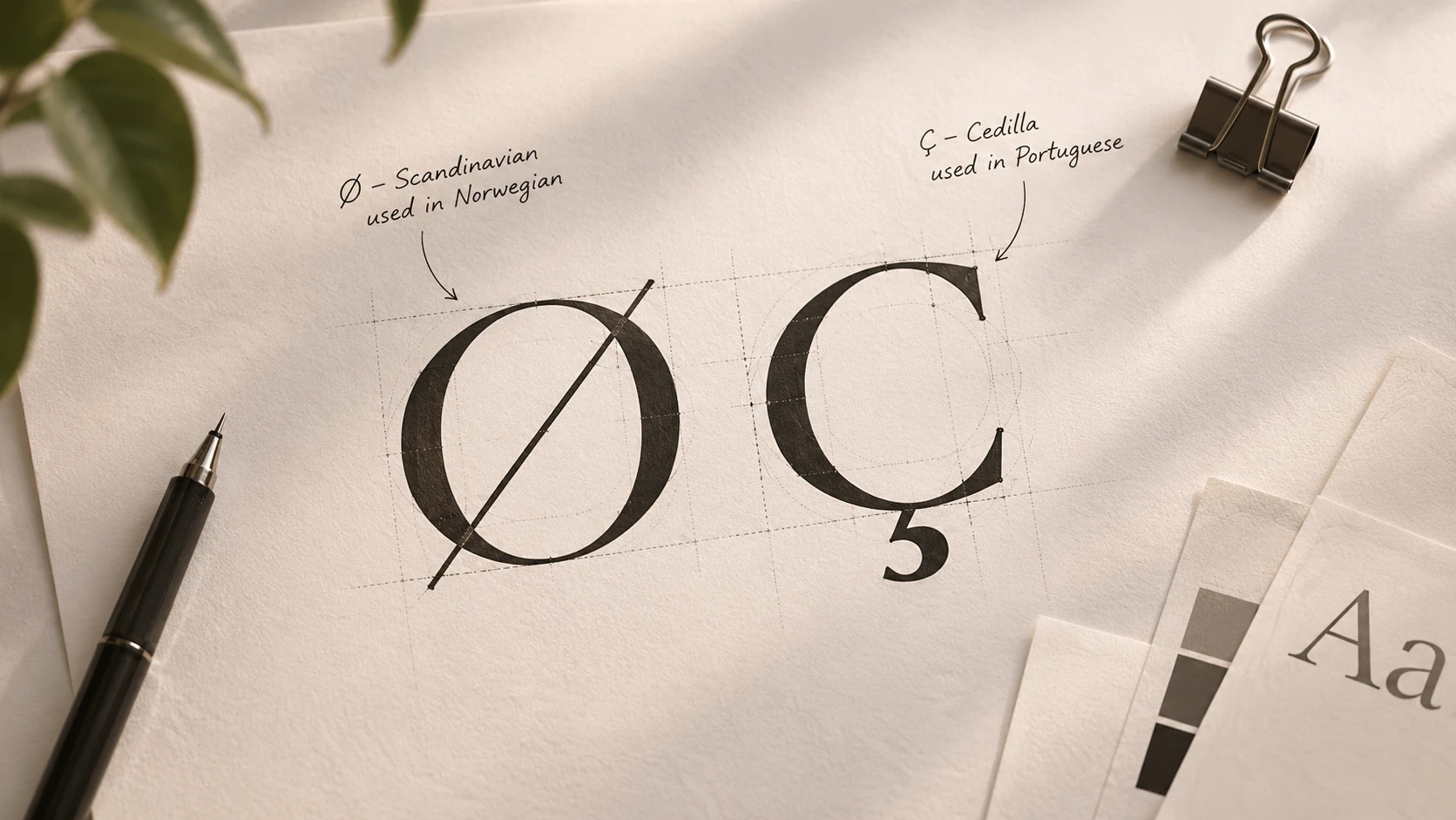
Most of our clients need every word in two languages. We don’t translate the small words at the end. We write them in both from the start, because a joke that works in Norwegian rarely survives the trip to Portuguese.
If the button needs a second sentence to explain it, the button is wrong.
The Small-Word Audit
Before we write a single headline, we gather every button, label and error on a client’s website into one list. It’s usually two hundred lines, written by twelve people in four different voices. Fixing that list does more for a brand than any tagline.
Say each label out loud as if you were standing behind the counter. If it sounds like a form, rewrite it until it sounds like a person.
- Writing
- Voice
- Interfaces

Inês Carvalho
Inês leads writing from Lisbon, in two languages and occasionally three. She has rewritten more error messages than headlines and prefers it that way.