I almost didn't go. The forecast was grey for the whole week, the bag was heavy, and there is always a good reason to stay home and edit instead.
I went anyway, mostly because I had promised myself I would finish the roll before the end of the month.
Getting There
The first hour was nothing. Flat light, wet hands, a lens cloth that only moved the rain around. I took two frames I already knew were wrong, just to feel the shutter and remind myself why I was standing there.
The light rarely arrives on schedule. Most of the work is staying until it does.
I have learned to stay through that first hour. It is the part that sends most people home, and it is usually the part that decides whether the rest of the day is worth anything.
What the Waiting Taught Me
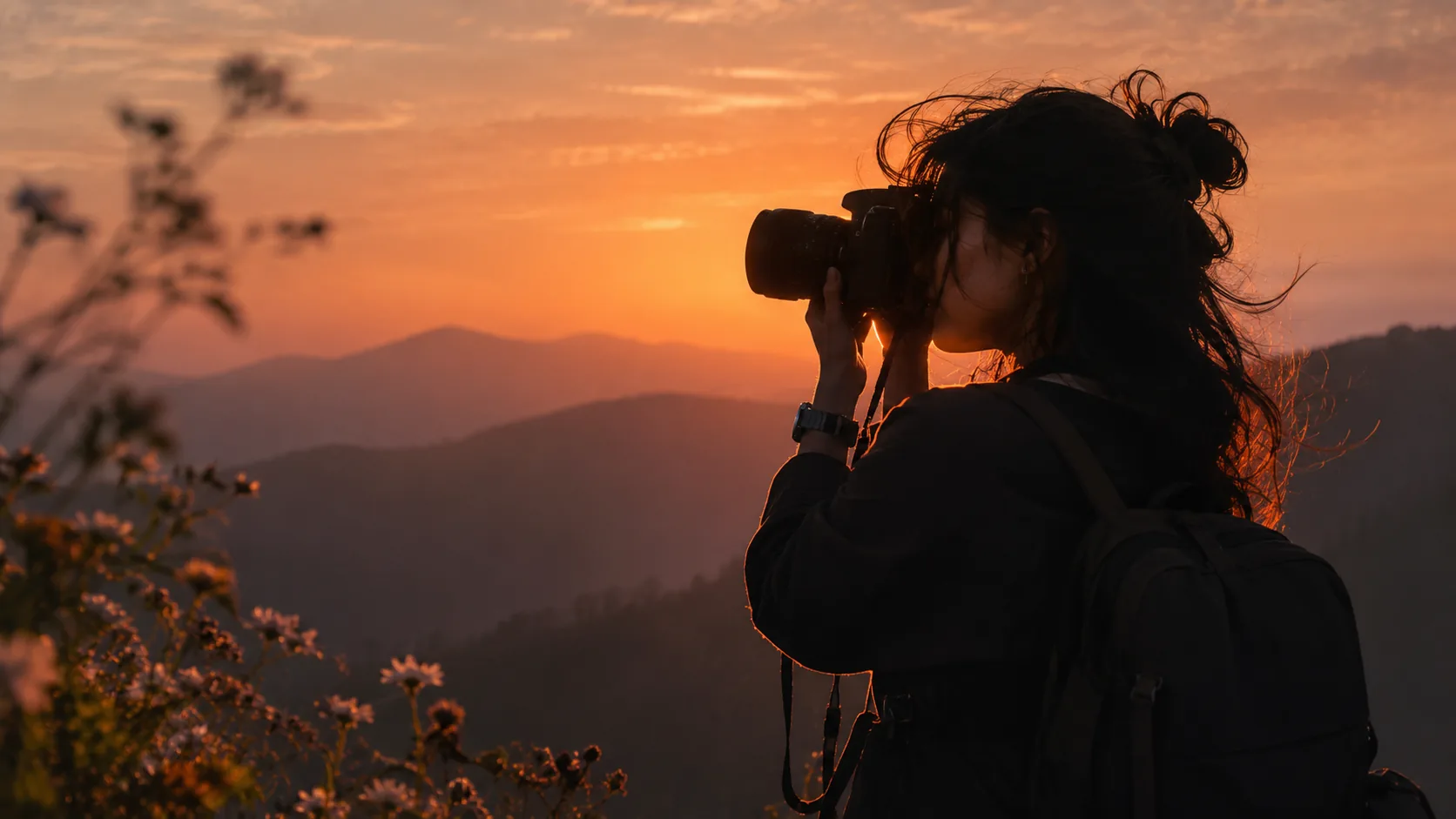
Then the light changed. It did not get brighter so much as warmer, and for a few minutes everything had edges again. I stopped thinking about settings and started thinking about where to stand.
Moving twice
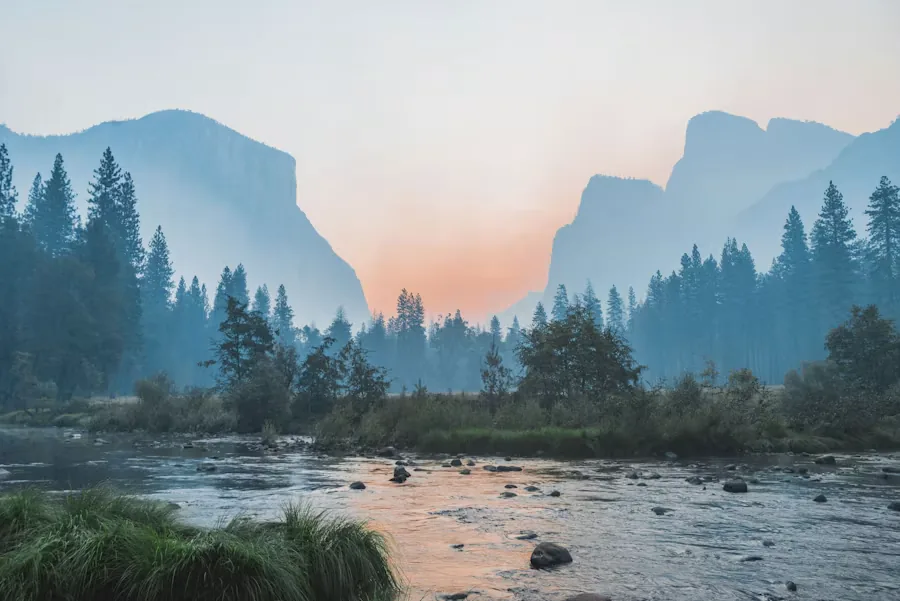
The first spot was too safe. Two steps left put a dark edge of rock in the foreground, and the whole frame finally had somewhere to start.
Waiting for the wind
I wound on and waited for the grass to stop moving. It took almost a minute. I pressed the shutter when it finally did.
Back in the Darkroom
I didn't see the frame until the roll came back from the lab two weeks later. That gap is still my favourite part of shooting film. You carry the picture around without knowing if you actually have it.
The contact sheet was mostly what I expected: soft frames, a few that were almost right, and one where the light, the angle and the subject all agreed. I circled it in red before I had finished looking at the rest.
What I'd Tell Myself Next Time
- 01
Stay through the first hour.
The light rarely arrives on schedule, and leaving early is the most common way to miss it.
- 02
Carry less.
One body, one lens, two rolls. Every extra choice is a second spent not looking.
- 03
Expose for the highlights.
On a grey day the brightest part of the frame is the part you will care about later.
- 04
Develop everything.
The roll you nearly throw away is sometimes the one with the picture on it.
This one made it. It is not the sharpest frame on the roll, but it is the only one that feels like the afternoon did, and that has always mattered more to me than sharpness ever will.